

Festivals That Define a Continent; Celebrating Culture Across West Africa
January 14, 2026
The Cocoa Story: From Bean to Bar in Ghana’s Chocolate Industry
February 3, 2026
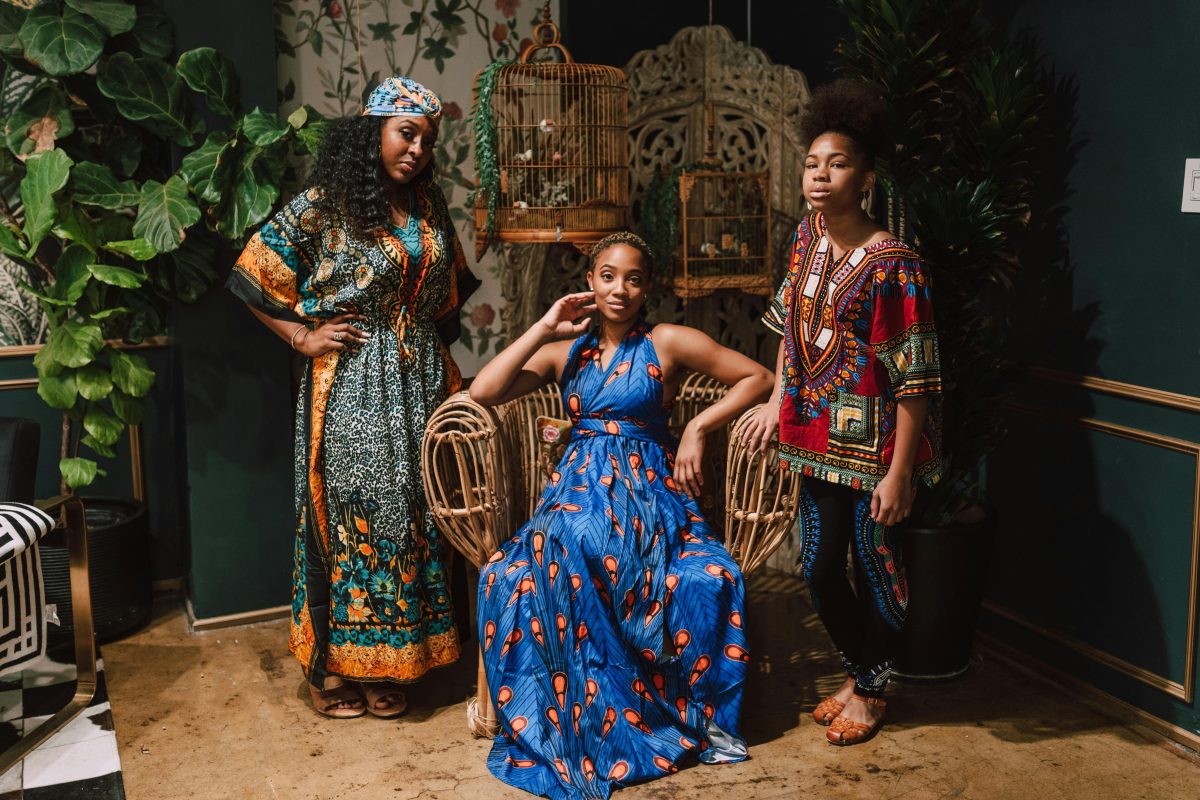
Stepping into a new country or culture isn’t just about sightseeing, it’s a chance to walk in history, taste the past, and wear your heritage with Afrocentric pride. Afrocentric fashion doesn’t just elevate your wardrobe; it tells a story, one thread at a time. Whether you’re tracing your roots through West Africa, walking through bustling city streets in Ghana, or attending a historical event in the Caribbean, your style should echo the spirit of where you are. In this guide, we’ll delve into how to embrace Afrocentric fashion for your cultural tours with authenticity, creativity, and confidence.

african fashion
Understanding Afrocentric Fashion
Afrocentric fashion is more than a look; it’s a lifestyle rooted in the beauty and diversity of African cultures. It blends vibrant patterns, traditional fabrics, symbolic motifs, and history into wearable art. At its core, Afrocentric fashion centers African heritage, spirituality, and identity. It is expressive, unapologetically bold, and deeply tied to ancestry.
Historically, clothing in African societies has always carried meaning. Whether it’s the royalty of Kente cloth from Ghana, the spiritual symbolism of Adinkra symbols, or the earthy essence of Mali’s mudcloth (Bogolanfini), each piece tells a story. These fabrics were, and still are, a form of communication: expressing status, values, life stages, and community.
Today, Afrocentric fashion has evolved. It merges modern tailoring with traditional design, allowing anyone to celebrate African roots while staying stylish. It’s not confined to any gender or age and spans the entire diaspora. The resurgence of interest in African fashion is a response to decades of cultural erasure, with many now using fashion as a vehicle for reconnection and empowerment.
Why Afrocentric Fashion Matters on Cultural Tours;
Ever heard the phrase “dress for the occasion”? When touring places steeped in history and heritage, your outfit becomes part of the experience. Wearing Afrocentric clothing is a way to honour the spaces you’re entering; especially if they connect to your ancestry or personal identity.
Wearing Afrocentric fashion during cultural tours also sparks dialogue. Locals appreciate the gesture of honouring their culture, and you open the door to conversations, stories, and even invitations to participate more deeply in traditions. It becomes more than fashion; it becomes a bridge between past and present, between traveler and host.
For people of African descent traveling to the continent or other places in the diaspora, it’s a reclaiming moment. The clothes you wear can be a tribute to ancestors who wore them before you and a proud declaration of identity. It’s cultural diplomacy wrapped in a killer outfit.

african fashion
Key Elements of Afrocentric Fashion
Afrocentric fashion stands out for a reason; it’s fearless, expressive, and full of meaning. Let’s break down the building blocks:
• Bold Prints & Patterns: Think geometric shapes, zigzags, spirals, and symbolic designs that often tell stories of tribes, families, or beliefs.
• Traditional Fabrics: Ankara (wax prints), Kente (woven cloth), Mudcloth, and Shweshwe are staples. These fabrics aren’t just beautiful, they carry heritage.
• Symbolism: Adinkra symbols from Ghana, Ndebele patterns from South Africa, and many others represent concepts like unity, strength, or fertility.
The key is in authenticity; understanding what each element represents before wearing it. Afrocentric fashion isn’t about just looking good (though that’s a bonus); it’s about wearing culture with intention.
Dressing with Purpose: Matching Fashion to Culture
Every pattern has a meaning. Every color tells a story. When dressing Afrocentrically for a cultural tour, it’s not just about what looks good; it’s about honoring what it means.
Take time to learn the symbolism behind the fabrics and designs. Some prints are reserved for royalty, while others are traditionally worn during mourning or celebration. Wearing the wrong pattern at the wrong time could be seen as disrespectful.
Avoid cultural appropriation by sourcing your clothing from African designers and makers, rather than mass-produced “African-inspired” pieces that lack cultural integrity. If you’re not from the culture, wear the clothing with humility, research, and respect. Ask questions. Support ethical creators. Let your fashion choices uplift, not offend.