

Top Cultural Tours for West Africa Roots Trips
April 23, 2026
Honoring African Motherhood Through Travel and Culture
May 8, 2026

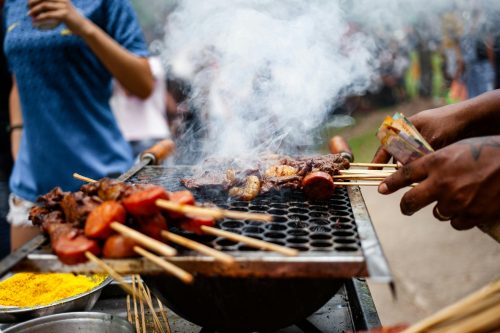
Picture this: You’re weaving through a bustling West African street food market in Accra, the air thick with smoke from charcoal grills and the chatter of vendors calling out their specials. The sizzle of meat on skewers hits your ears, while spicy aromas pull you closer. West African street food isn’t just a meal; it’s a pulse of life, bursting with flavors from Ghana’s bold spices to Senegal’s fresh coastal bites. Countries like Ghana, Togo, and Côte d’Ivoire each add their twist, making every corner a new adventure for your taste buds. This guide dives into the top street foods you’ll love in West Africa, helping you pick the best stalls and savor the culture without missing anything.
Street vendors here aren’t just cooks; they keep local economies humming. In places like Accra or Dakar, these folks support families and neighborhoods, turning simple ingredients into gold. Ready to explore? Let’s start with the basics that define the scene.
West African Street Food Staples: The Foundational Flavors
West African street eats build on fresh staples like rice, beans, and doughs, mixed with peppers and herbs for that signature kick. You’ll find these everywhere, from dawn markets to evening hustles. They form the heart of daily life, cheap and filling for locals and visitors alike.
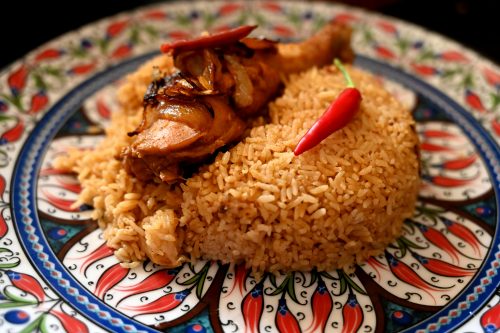
jollof
Jollof Rice: The West African Culinary Battleground
Jollof rice sparks endless debates, especially between Ghana and Nigeria fans. Ghanaians swear by their tomato-heavy version with a smoky edge from street fires. Nigerians push back with theirs, loaded with peppers and often cooked in huge pots over open flames for that charred depth.
What sets street jollof apart? Vendors whip it up fresh in metal basins, stirring in stockfish or chicken bits for extra umami. The rivalry adds fun; ask around, and you’ll hear passionate stories. One stat shows over 70% of West Africans claim their country’s jollof reigns supreme, based on regional polls.
To spot the best stall, hunt for long lines near bus stops or markets. Crowds mean fresh batches, and locals know quality. Grab a plate with plantains on the side; it’s a combo that hits just right.
Move beyond snacks to full plates that fuel long days. These dishes mix starches with proteins, all wrapped for easy eating. Street vendors shine here, turning humble spots into feast zones.
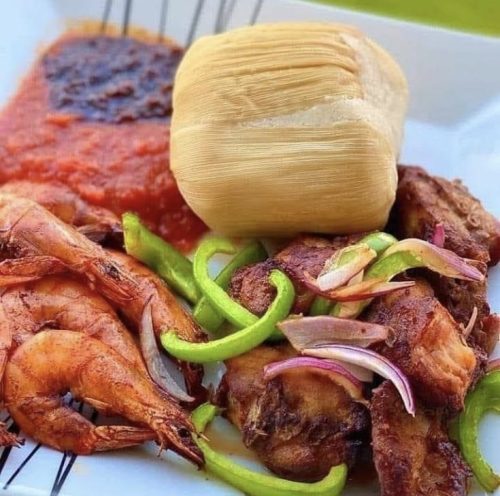
kenkey
Kenkey/Omo Tuo and Groundnut Soup Pairings (Ghana & Beyond)
Kenkey comes from fermented corn dough wrapped in corn husks and boiled till firm; think sour, chewy polenta with a tang. Ghanaian vendors steam it fresh, pairing with fish stew also known as Shito and veggies. In Togo, it’s similar but softer, often sold in leaf packets.
Omo tuo, a rice ball variant, soaks up groundnut soup like a sponge. That soup? Creamy from peanuts, spiked with tomatoes and scotch bonnet peppers for warmth. Vendors ladle it steaming over the starch, adding shrimp for coastal flair.
This pairing powers workers in Accra’s markets. A bowl costs under two bucks and leaves you satisfied. Try it at Makola market; the buzz there guarantees authentic tastes.
Roasted Plantains and Kelewele: The Sweet and Savory Starched
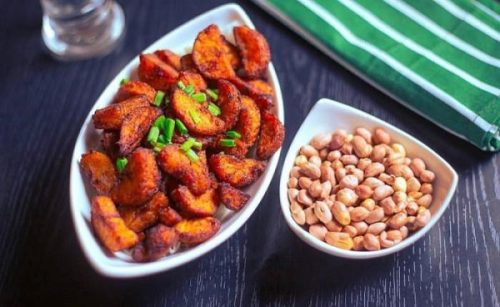
kelewele
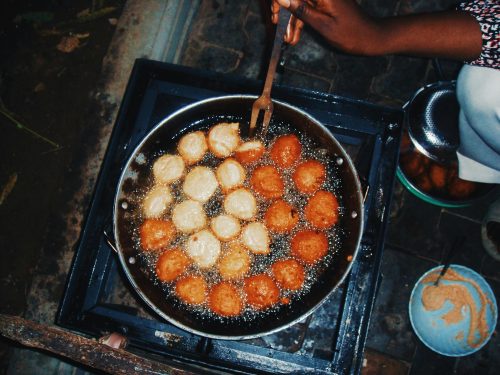
Kelewele flips it spicy in Ghana; unripe plantains cubed, spiced with ginger and chili, then fried crisp. Vendors fan the heat away as they serve, sometimes with roasted peanuts on top. Both versions scream versatility.
Imagine biting into one after a hot walk; the contrast cools and warms at once. In Abidjan, stalls line beaches with these as sides to grilled fish. They’re everywhere, a safe bet for vegetarians too.
Grilled Meats and Fish: Coastal and Inland Specialties
Coastal spots like Cotonou in Benin grill tilapia whole, rubbed with ginger, garlic, and chili paste. The fish hits the coals skin-side down, crisping up while staying moist inside. Vendors flip them with bare hands, serving on banana leaves.
Inland, goat or beef gets the same treatment, threaded on sticks like giant kebabs. Spices vary; Senegal adds tamarind for tang. Dipping sauces, like shito from Ghana (a chili-garlic oil), amp the fire.
These shine at dusk, when smoke signals dinner time. In Lomé’s ports, fresh catches mean no fishy aftertaste. Prices match the catch; expect fresh and flavorful every time.
Sweet Endings and Refreshments: Cooling Down the Heat
After the spice, you need balance. Street sweets and drinks cut the burn with cool vibes. Vendors mix tropical picks that refresh on humid days.
Mangoes drip juice in peak season, sliced by machete-wielding sellers in Dakar. Pineapples come cubed with lime squeezes, while watermelon chunks chill in ice buckets. Guava adds a tangy pop, often halved and sprinkled with chili for adventure.
These stands dot every sidewalk, fruits sourced from nearby farms. In Ghana’s rainy March, watermelons burst with sweetness. A handful costs pennies, beating any store buy.
For safety, pick vendors with steady crowds; high turnover means fresh cuts. Skip pre-peeled if they look wilted; ask for whole fruits you peel yourself. It’s a hydrating win in the tropical sun.
Asaana and Sobolo: Traditional Beverages

sobolo
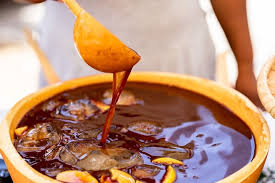
asaana
Sobolo brews from dried hibiscus flowers, boiled with pineapple peels and ginger for a tart red punch. Street ladies strain it cool, adding sugar to taste. It’s loaded with vitamin C, great for warding off colds in harmattan winds.
Asana mixes fermented corn with sugar, a southern Ghana staple. Vendors add milk and keep it chilled for refreshment.
Navigating the Street Food Scene: Tips for Travelers
Diving in? Smart moves keep it smooth. From cash to crowds, these pointers make your eats worry-free.
Use local cash like cedis in Ghana; vendors rarely take cards. In markets, a light haggle shaves coins off, but skip it at fixed stalls like grilled fish spots. Smile and chat; it builds rapport.
In Senegal, euros work near tourist zones, but CFA francs rule elsewhere. Start at half the ask for big buys, settle near two-thirds. Watch locals; mimic their flow.
Carry small bills to avoid change hassles. It’s part of the fun, turning meals into mini adventures.
Health and Hygiene: Eating Street Food Safely
Fresh is key; pick spots with food cooking now, steam rising high. Vendors in clean aprons or with busy grills signal care. Avoid watery sauces sitting out too long.
Stick to bottled water for mixes, even if vendors swear theirs is fine. In one trip report, travelers skipped tummy troubles by choosing hot-off-the-grill items. Wash hands often; gel packs help.
If unsure, start with fruits you peel. Your gut will thank you after a few days.
Identifying Local Hotspots: Where the Best Food Is Found
Follow the throngs; locals cluster at top stalls during lunch rushes. Markets like Kumasi’s Kejetia or Bamako’s Grand Marché buzz with quality picks. Evening vibes shift to lit-up carts near mosques or bars. Apps like Google Maps show reviews, but trust your nose for smoke and spice. Peak times? Mornings for breakfast, afternoons for mains.
Wander off main drags for hidden gems; that’s where real flavors hide.
Carrying the Taste of West Africa Home
West African street food opens doors to vibrant cultures through simple, bold bites; from jollof’s fiery debates to kelewele’s spicy crunch. It’s democratic eating: cheap, shared, and full of heart, fueling communities and travelers alike. You’ve got the tools now; spot stalls, haggle smart, eat safe.
Next time you land in West Africa, hit the streets, plate in hand, and let the flavors pull you in. Your taste buds will never forget it.
Book a Landtours West Africa tour and an experience of a lifetime.