

World Food Day: What to Taste in Ghana, Senegal and Benin
October 9, 2026
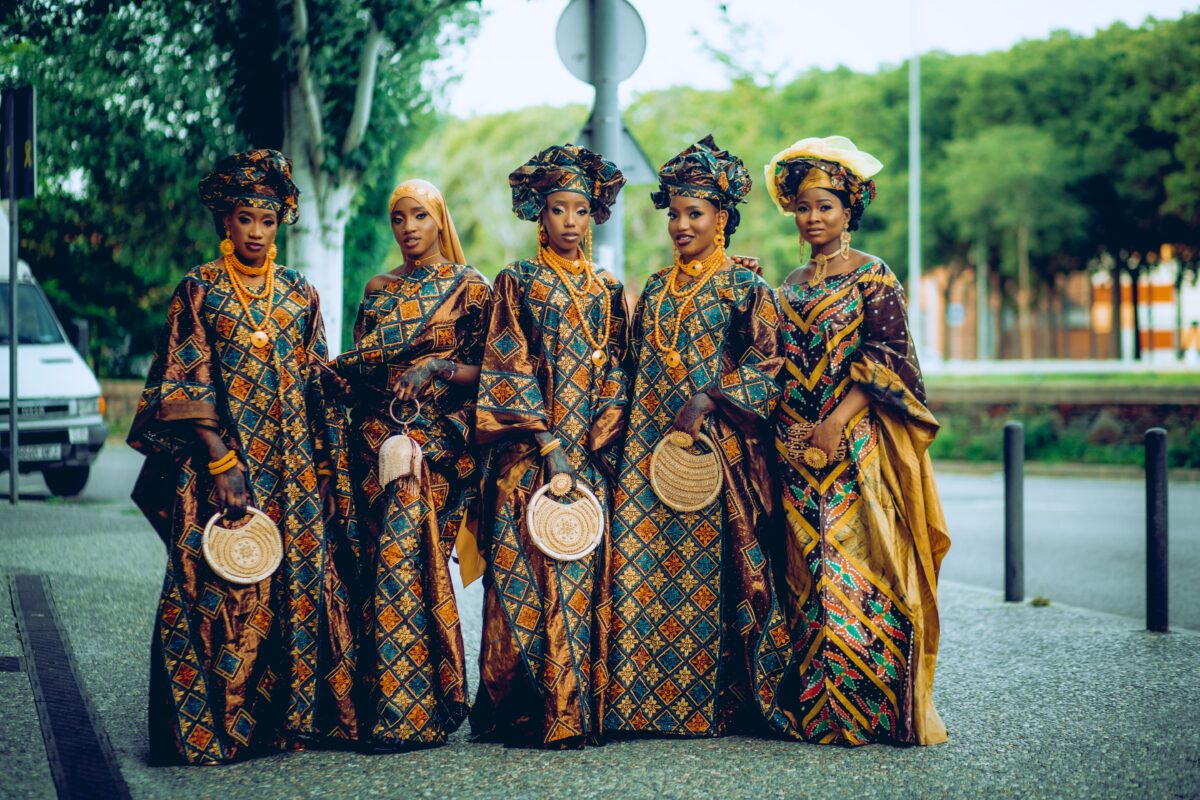
West African Fashion Tourism: Kente, wax prints, and tailor-made clothes are different crafts, even when they appear side by side. Kente is woven in narrow strips, while many wax prints are factory-made cloth; a market stall may also sell imported fabric. Learning what you’re buying helps you choose pieces with a clear story and a price that makes sense. Compare sellers before paying, and agree on the full cost and timing before commissioning clothes. Check where a fabric was made, how it was produced, and what its price covers. Market stock, hours, and tailor schedules can change, so confirm details locally before you set out.
Identify kente by its weaving and patterns
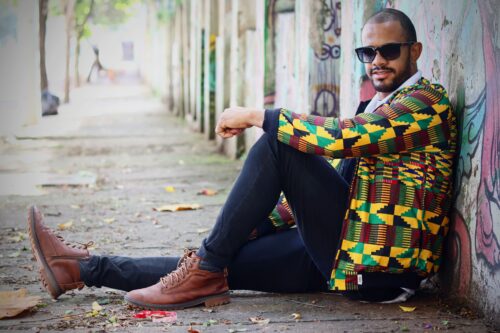
kente fashion
Kente is a strip-woven cloth linked to Ghanaian traditions, including those of Asante and Ewe communities. Weavers join narrow bands to form a larger cloth, with patterns that can differ by maker and tradition. UNESCO inscribed the traditional craftsmanship of kente cloth on its Intangible Cultural Heritage list in 2024. Colors and designs may carry meaning, but interpretations vary, so ask the weaver or seller about the piece in front of you. Bonwire, in Ghana’s Ashanti Region, is widely known for kente weaving. It’s a side trip from Accra, not an in-city market stop, so allow extra travel time if you plan to visit.
Understand wax prints before choosing a design
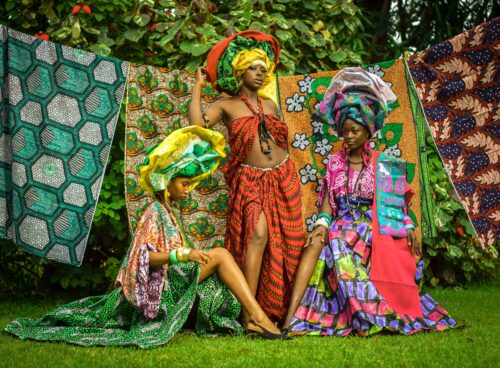
african wax print fashion
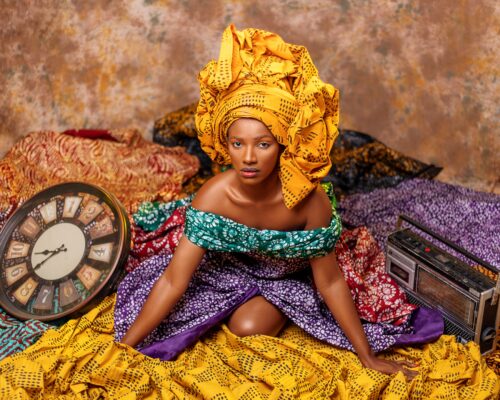
“African wax print” often refers to factory-produced cloth made with a wax-resist-style printing process. Wax prints became part of West African dress and trade, but they aren’t all hand-printed or made in Africa. Printed cotton, handwoven cloth, and other patterned fabrics can look similar at first glance. Before buying, ask about the fiber, print method, fabric width, and price per length. Check that the length you’re paying for matches what the seller measures and explains.
West African Fashion Tourism in Accra: Kente and Markets
Makola is a major central Accra market where you can look for fabric alongside everyday goods. Stalls and stock vary, so give yourself time to compare options rather than expecting one neat textile section. Go with an idea of the fabric you need, then check price, length, and quality at more than one stall.Ask locally about current opening days and transport before setting out. Market hours and access can change.
Accra’s Arts Centre, also called the Centre for National Culture, is a visitor-oriented place to browse crafts and locally made goods. Items, materials, and workmanship vary between vendors, and negotiation may be part of the sale. Ask whether a product is handmade, made locally, or imported. You can pair a visit with nearby central Accra sights, subject to current access and opening conditions. Ask permission before photographing vendors or makers.
West African Fashion Tourism in Dakar: Prints and Tailors
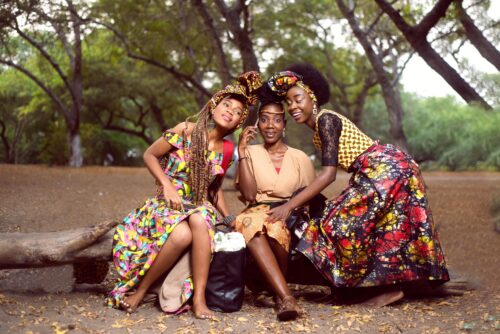
Marché HLM is a well-known Dakar stop for fabric shopping and tailoring. It’s busy and varied, and each vendor sets their own prices and services. Compare cloth quality and cost at several stalls before deciding, especially if you’re buying fabric and tailoring together. Agree on the full sewing cost and what it includes, such as lining or finishing. Ask locally about the best time to visit and current transport conditions.
Sandaga is a central market with a broad mix of goods, but textile vendors may change location. Check locally where fabric sellers are trading that day rather than assuming every section specializes in cloth. For a different kind of shopping, Soumbédioune’s artisan village offers a chance to browse crafts.
Shop Thoughtfully in Accra and Dakar
Check quality, quantity, and origin
Look closely before paying. Confirm the fiber content, print clarity, color consistency, fabric width, and length; for clothing, check seams, loose threads, and fit. If the origin or production method matters to you, ask directly instead of relying on the pattern’s look. For a larger custom order, ask for a receipt or written note with the agreed price and pickup date. It can help prevent confusion later.
Bargain with a clear budget
Negotiation varies by seller and setting. Ask the price first, compare similar goods, and decide what you’re comfortable spending before making an offer. Keep the conversation polite and clear; not every purchase calls for hard bargaining. Ghana uses the cedi, while Senegal uses the West African CFA franc (XOF). Check current exchange rates and ask which payment methods a seller accepts.
Choose Accra for Ghanaian textile context
Accra suits travelers interested in Ghanaian fabrics, market browsing, local brands, and tailoring. Makola offers a busy market experience, while the Arts Centre brings crafts and visitor-focused stalls together. A trip to Bonwire requires travel outside the city.
Choose Dakar for fabrics and custom tailoring
Dakar is a strong choice for shoppers drawn to Marché HLM, custom clothing, and a wider look at Senegalese fashion and craft. Sandaga and Soumbédioune can add variety, but check local conditions before planning your route.
Take home more than a souvenir
The best purchases begin with a few good questions: what is this cloth, who made it, and where? Compare quality and price, allow time for tailoring, and treat sellers and makers as partners in the experience. Choose a piece you’ll enjoy wearing, with an origin and story you understand. Book your next fashion tour with Landtours.