

AfroFuture: How Accra’s Festival Connects Music and Tourism
October 9, 2026
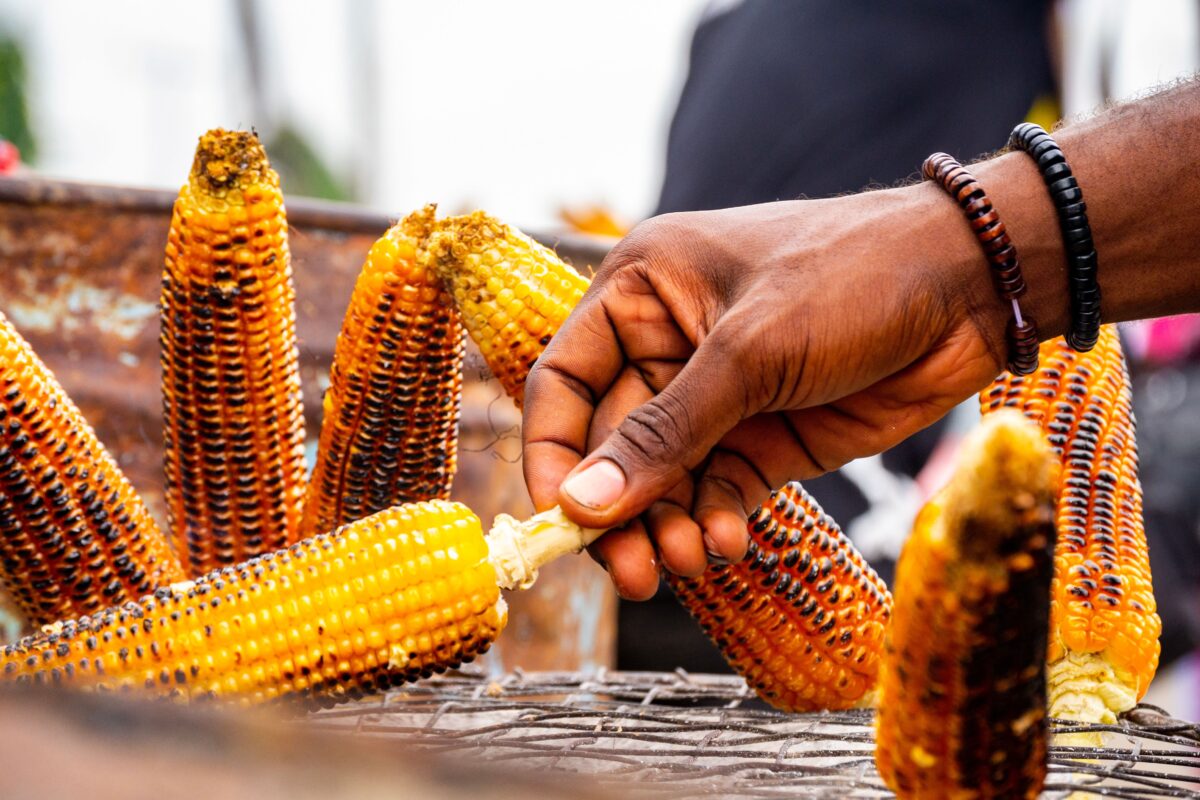
Observed every October 16, World Food Day draws attention to food and the systems that bring it to our tables. The Food and Agriculture Organization of the United Nations (FAO) established the day in 1979, and the first observance took place in 1981. A closer look at local dishes can turn that broad purpose into something you can see, smell and share. World Food Day celebrates food while calling attention to hunger and food security. Its annual theme can change, but the date and its link to the FAO’s founding remain. The FAO is a useful source for the day’s history and current campaign themes. West African cooking draws on crops grown in different regions, fish from coastal waters and ingredients traded between communities. Markets bring these foods together, while household recipes pass cooking skills across generations. Ghana, Senegal and Benin each have many food traditions, so no single dish can speak for everyone.
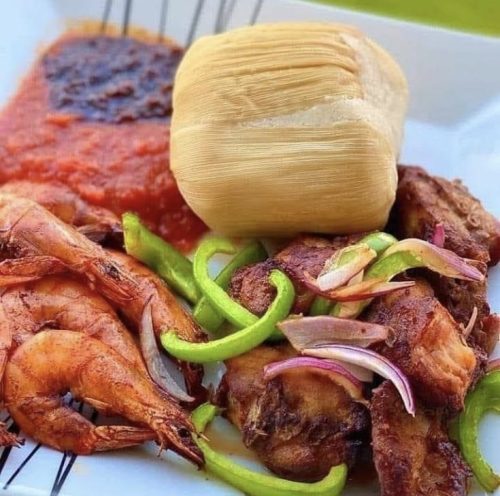
kenkey
Ghana’s Meals Bring Together Grains, Roots, Fish and Shared Tables
Ghanaian meals often pair a filling staple with soup, stew or sauce. The choice depends on the cook, the region and what is available. Rice, corn, cassava, yam, plantain and fish all feature in a varied food culture.
Ghanaian jollof rice cooks rice with tomato, pepper and seasonings, though recipes and serving styles vary. Waakye combines rice and beans and may come with stew, vegetables, egg or meat. These dishes are popular examples of Ghanaian cooking, not a complete picture of it.
Banku is made from fermented corn and cassava dough, cooked into a smooth, firm staple. Fufu is pounded from starchy foods such as cassava and plantain; recipes can vary. Both are often served with soups such as groundnut soup or light soup, with ingredients shaped by the household and region.
Grilled tilapia is one familiar fish dish, while other fish may be cooked in stews or served with staples. Plantain, cassava and yam add flavor and substance to meals, alongside leafy vegetables. These ingredients connect home cooking with farming and fishing work across the country.
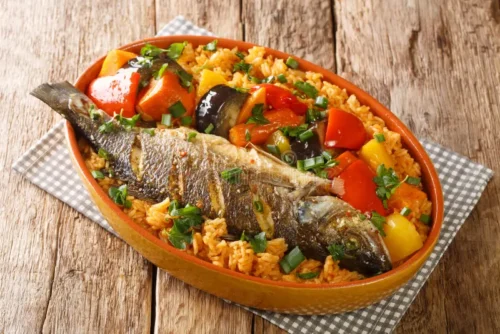
Thieboudienne
Senegal’s Coastal Cooking Makes Thieboudienne a Story in Every Pot
Senegalese cooking brings rice, fish and vegetables together in dishes suited to both everyday meals and shared occasions. Its sauces also show how cooks build different flavors from familiar ingredients. Recipes vary by family and place.
Thieboudienne, also written ceebu jën, is a celebrated Senegalese dish of fish, rice and vegetables. Cooks season the fish and rice, then bring them together with vegetables such as cassava, carrot or cabbage. UNESCO added the art of preparing thieboudienne to its Representative List of the Intangible Cultural Heritage of Humanity in 2021.
Yassa is often made with onion and citrus, served with chicken or fish and rice. Mafé uses a peanut-based sauce, which can be paired with different proteins and vegetables. Each dish changes from kitchen to kitchen, shaped by a cook’s method and taste.
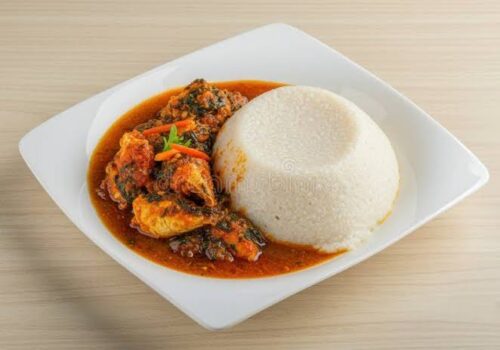
Akassa
Benin’s Cuisine Turns Corn, Cassava and Peanuts Into Comforting Meals
Beninese cooking includes dough-like staples, flavorful sauces, snacks and regional specialties. Corn and cassava are common in many preparations, though names and methods differ across language groups and regions. A dish that’s familiar in one part of Benin may be less common elsewhere.
Akassa is a fermented corn preparation, while akoumé is a name used for a corn-based staple in some areas. Pâte describes a firm dough-like food, often made from corn or another flour, served with sauce. Local terms and recipes vary, so it helps to ask how a dish is made.
Amiwo is a seasoned corn-based dish, often known for its rich color and savory taste. Peanut-based sauces are another part of Benin’s cooking, served with foods such as fish, meat or vegetables. Pairings depend on the recipe and household rather than one fixed rule.
Wagasi is a traditional cheese associated with northern Benin and made from cow’s milk. Its mild taste and firm texture make it distinct from the dough-based staples found in many meals. Aloko, made from fried plantain, is a popular snack or side dish.
Let World Food Day Lead to a Deeper Appreciation of West Africa
Ghana offers varied staples, soups and rice dishes; Senegal is known for thieboudienne and shared meals; Benin brings corn, cassava, peanut sauces and regional foods such as wagasi to the table. These examples offer a starting point, not a full account of three diverse cuisines.
This World Food Day, try a dish, learn its story and support the people who grow, prepare and share it. A thoughtful meal can connect pleasure with a better understanding of food traditions and livelihoods. Visit West Africa with Landtours.