
All you need to know about Kundum festival in Ghana
September 14, 2026
Educational Tourism in Ghana, Senegal and Benin for Family Travel
September 22, 2026
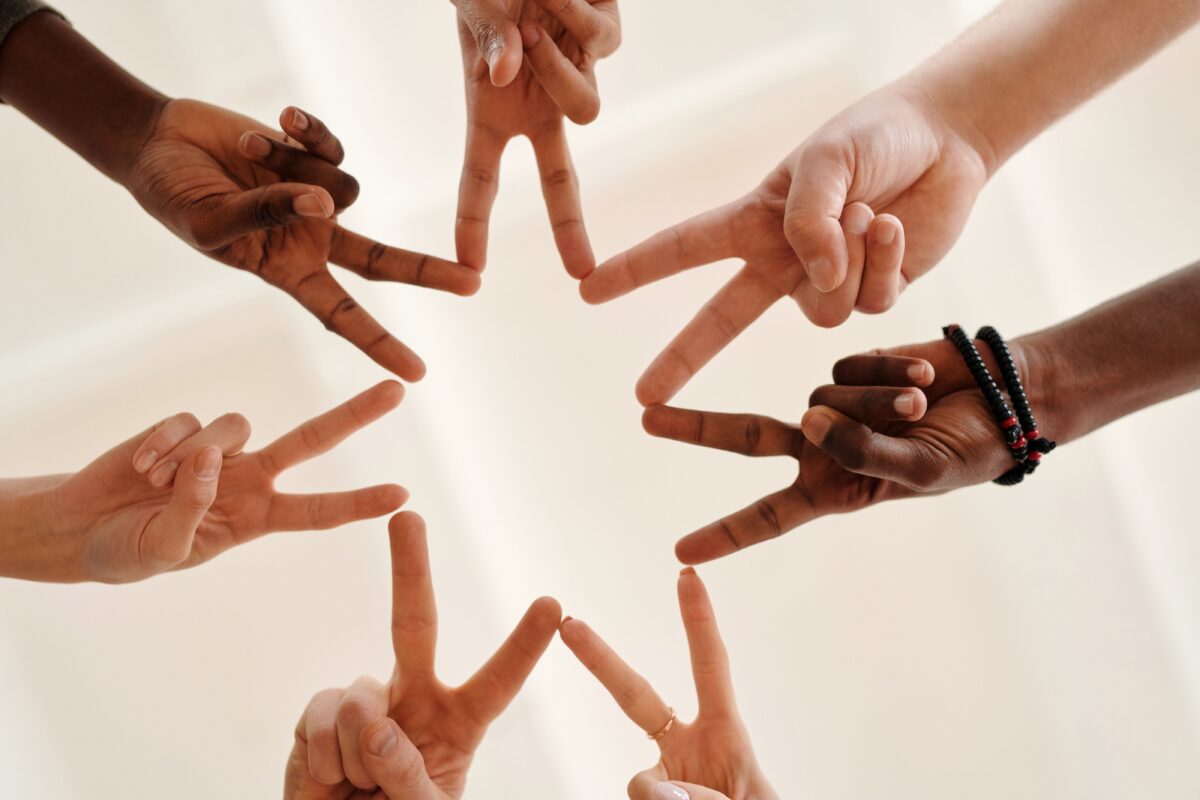
The United Nations established the International Day of Peace in 1981. In 2001, the General Assembly set the day as a period of non-violence and ceasefire. The United Nations’ 2026 observance page gives this year’s theme as “Invest in Peace – For Everyone, Everywhere, Every Day.”
Ghana’s national identity and peace work
Ghana is known for democratic continuity, civic debate, hospitality, and regional engagement. That reputation should not hide local tensions or suggest that the country has solved every social problem. Peace requires daily work, public trust, fair institutions, and accountability. This gives the observance a clear West African meaning. Peace and unity in West Africa depend on both national systems and ordinary acts of listening, mediation, and cooperation. Ghana peace tourism can connect visitors with museums, memorials, community groups, schools, cultural leaders, and public forums. The goal is learning, not entertainment built around serious history. Visitors should listen to local guides, ask respectful questions, and spend money with businesses that include local residents in decision-making.
The National Peace Council’s prevention role
Ghana’s National Peace Council supports conflict prevention, mediation, public education, early warning, and peaceful elections. Its official website publishes information on conflict reporting, peace initiatives, and national cohesion programmes. The council’s work shows how peace can operate before violence begins. It brings institutions, political actors, traditional authorities, religious leaders, and communities into structured dialogue. Ghana’s election process includes stakeholder meetings, public messaging, codes of conduct, monitoring, and mediation. The Electoral Commission, the National Peace Council, civil society observers, and media organizations each have different roles in reducing tension and improving public trust.
Ghana Peacekeeping Strengthens Its Regional Profile
Ghana has a long record in United Nations peace operations. The UN Ghana peacekeeping profile, updated on 4 April 2026, says Ghanaian peacekeepers deploy to 13 missions. Deployment totals change, so current personnel figures should be checked in the UN’s troop and police contributor data, updated on 10 August 2026. Ghana peacekeeping includes military, police, and civilian skills. Peacekeeping differs from tourism, but it gives visitors a way to understand Ghana’s wider contribution to international security.
Ghana works within the Economic Community of West African States, or ECOWAS, on regional integration, peace, democratic governance, and cooperation. The ECOWAS official site describes peace and regional prosperity as shared responsibilities involving citizens, civil society, businesses, and member states. Kofi Annan remains a major Ghanaian figure in global diplomacy and peace work. The Ghana Armed Forces, the Ministry of Foreign Affairs, the National Peace Council, and the Kofi Annan International Peacekeeping Training Centre add institutional depth to that story.
Historic and Cultural Sites Turn Peace Education Into Travel
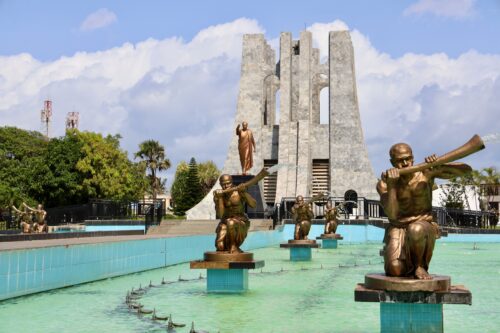
Kwame Nkrumah Memorial Park
Accra offers a strong base for peace-focused travel. The Kwame Nkrumah Memorial Park and Mausoleum, W. E. B. Du Bois Memorial Centre, National Museum of Ghana, and Independence Square area connect national history with African unity, independence, diplomacy, and public memory. The Ghana Museums and Monuments Board site lists museums and heritage attractions, including the Kwame Nkrumah Mausoleum. Opening times and programmes can change, so visitors should confirm details before travelling.
Cape Coast Castle and Elmina Castle require careful attention. Their history is tied to the transatlantic slave trade, forced migration, African resistance, and the African diaspora. Guided visits should focus on testimony, context, and remembrance rather than photo opportunities alone. Music, festivals, storytelling, food, craft, interfaith events, and traditional leadership help visitors encounter Ghana’s plural society. These experiences should benefit local hosts through fair pay, local ownership, cultural consent, and clear agreements about photography.
International Day of Peace 2026 Can Expand Ghana’s Peace Economy
Schools and universities can hold debates, essay contests, mediation workshops, heritage visits, oral-history projects, and youth forums. Activities should reflect the confirmed 2026 UN theme, “Invest in Peace – For Everyone, Everywhere, Every Day,” without turning the day into a slogan-only event. The Ghana Tourism Authority, museums, universities, National Peace Council, KAIPTC, civil society groups, hotels, tour operators, and diplomatic missions can work together on peace walks, exhibitions, public lectures, and guided heritage tours.
How Visitors and Organizations Can Mark the Day in Ghana
For travelers
Reserve time for a verified peace event or educational visit. Support local businesses, learn basic cultural etiquette, and share accurate information about Ghana’s history and current peace work rather than reducing the country to a postcard image.
International Day of Peace 2026 Ghana will center on 21 September, but its value can last beyond one Monday. Ghana brings democratic dialogue, peacebuilding institutions, UN peacekeeping experience, cultural diversity, and important heritage sites to the global observance.
Visitors should choose educational, community-centered experiences that respect painful history and return value to local people. Ghana’s peace story is not only something to visit. It is a continuing national and West African project, and responsible travelers can take part by listening, learning, and supporting the people who build peace every day.