

World Cup 2026: How African Soccer Fuels Culture and Tourism
June 11, 2026
Visa-Free West African Destinations Every Traveler Should Visit in 2026
June 25, 2026
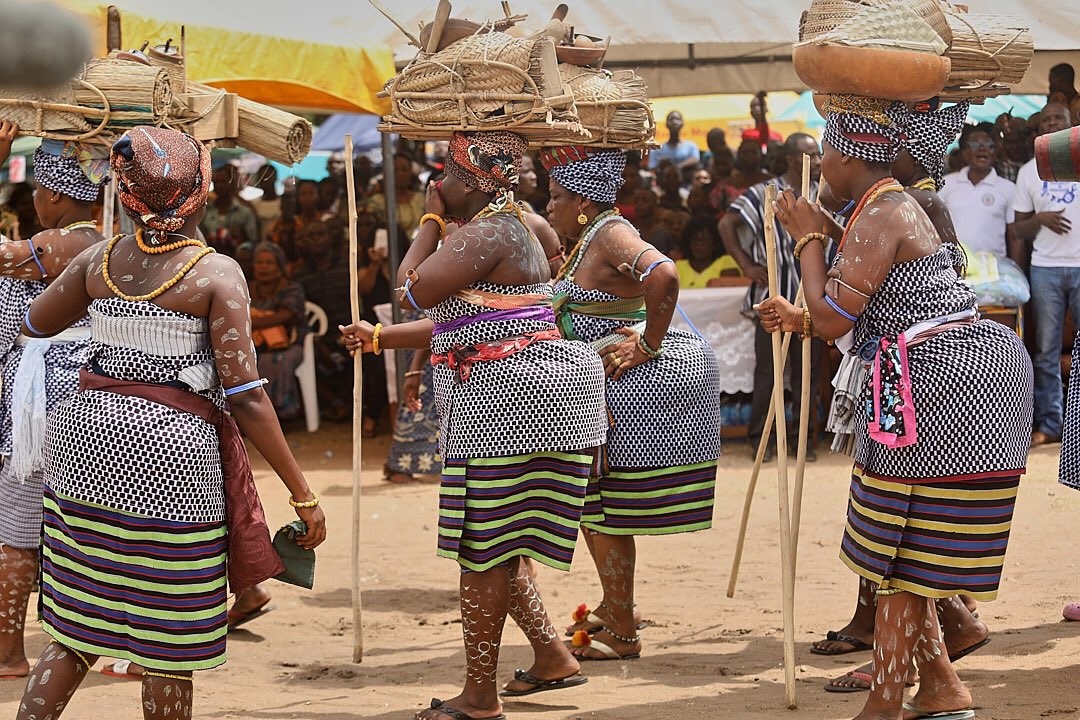
The Hogbetsotso festival tells the story of the Anlo Ewe people and their fight to survive. When you attend this event in the Volta Region of Ghana, you hear the echoes of the past in every song and dance. It shows how a community stays together through hard times and keeps their identity strong.
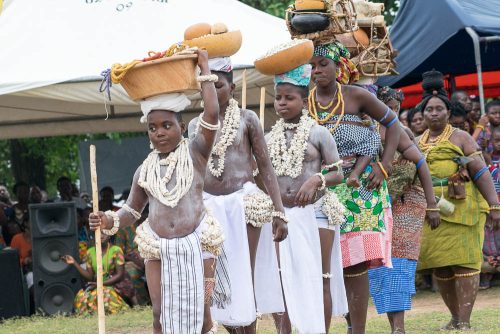
Hogbetsotso festival
The Genesis of the Hogbetsotso Festival: A Survival Story
The history of the Anlo Ewe starts far away from their current home on the coast. They once lived in a walled city in Notsie, located in modern-day Togo. Life there was not easy, especially under the rule of King Agokoli. He was a harsh leader who made life unbearable for the Ewe.
The Tyranny of King Agokoli and the Escape Under Cover of Darkness
King Agokoli demanded total control over the people. He forced them to perform difficult tasks and treated them with cruelty. The Ewe knew they had to leave to find peace, but they could not just walk out. The king had built strong, thick walls around the city to keep everyone inside.
The people came up with a clever plan. They decided to weaken the wall by pouring water on one spot every day for a long time. Eventually, the wall became soft enough to break through. To make sure the king’s guards did not know they were leaving, they walked backward as they fled. The footprints made it look like they were entering the city, not leaving it.
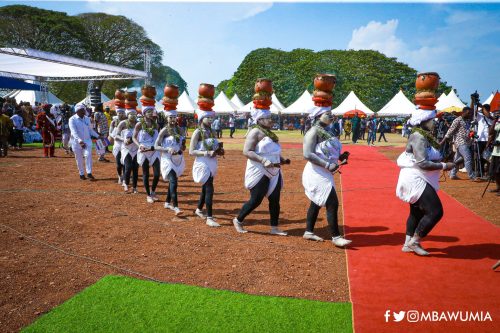
Hogbetsotso festival in Ghana
The Hard Trek to the Volta Estuary: Challenges and Determination
The escape was only the first part of their struggle. After leaving Notsie, they had to walk a long distance to reach the coast. They faced hunger, thirst, and fear of being caught by the king’s soldiers. They relied on each other to make it through the difficult terrain.
The group did not give up, even when the path seemed impossible to follow. They looked for signs in nature to guide them toward the Volta Estuary. Their commitment to finding freedom drove them forward. This period defined the character of the Anlo Ewe for generations to come.
The arrival at the coast changed everything for the Anlo Ewe. They had to learn how to live in a new place with different resources. The ocean and the lagoon became important parts of their daily lives.
The Founding of Anloga and the Formation of Social Structures
They settled in a place they called Anloga. This town became their capital and the center of their new life. They needed rules to live together peacefully, so they built a structure based on clans and families. Every person had a role to play in keeping the community stable.
The elders took charge of making important decisions. They ensured that everyone followed traditions and respected the laws. This organization helped them build a solid foundation for their future.
The area was already occupied by other groups of people. The Anlo Ewe had to figure out how to live alongside their neighbors. Sometimes this meant fighting, but it also meant forming trade partnerships. They learned how to talk to others and protect their own land at the same time.
These early years taught them the value of being ready for anything. They developed a political system that helped them handle conflicts without losing their way. This ability to talk and trade became a core part of how they grew. The festival is the heartbeat of the Anlo Ewe community today. It links the past to the present in a way that keeps their history alive.
The Symbolic Representation of Agokoli’s Oppression
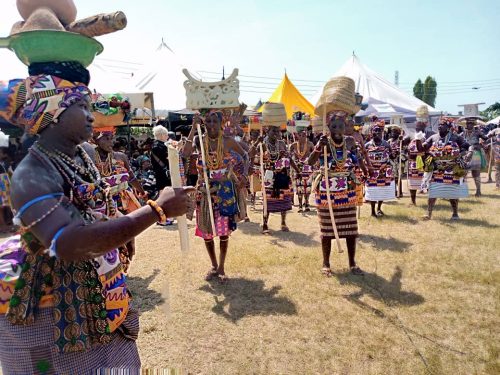
During the event, you can see the history of their escape. The drumming, the specific movements, and the stories told during the event all point back to the time of King Agokoli. It is a way to tell the younger generation what their ancestors went through. They do not want the pain of the past to be forgotten.
The word “Hogbe” is vital to the entire event. It means the day they left their home to find freedom. It is not just about a date on a calendar. It is a spiritual reminder of their liberation. By calling the festival Hogbetsotso, they are declaring that they are a free people who chose their own path.
Hogbetsotso festival in Ghana
The Grand Durbar: Chiefs, Regalia, and Royal Address
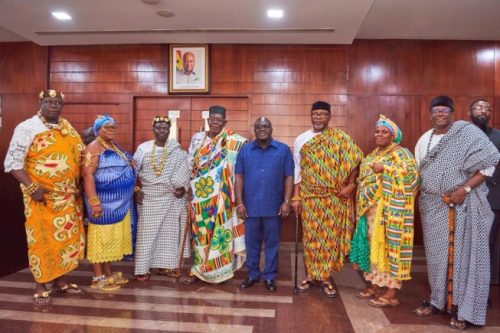
The durbar is the main event of the entire festival. Chiefs from the different Ewe areas gather to pay respect to their traditions. They arrive in a grand procession, wearing beautiful clothes that have been handed down through families. The speeches made during the durbar address the state of the community and call for unity among all people.
Women play a huge role in the festival through groups called “Miamedɔ”. They help organize the event, prepare food, and teach the youth about their culture. Their involvement ensures that the traditions are not lost. Everyone in the community has a job to do, which makes the event a true group effort.
The experience of the migration taught the Ewe that they are stronger together. They believe that if one person suffers, the whole group suffers. They work on projects as a community, whether it is building a school or preparing for a celebration. Unity is the main reason they have survived for so long.
The Hogbetsotso Festival in the Modern World: Challenges and Opportunities
Even as the world changes, the festival remains an anchor for the Anlo Ewe. However, they do face some new issues. Many people travel to Anloga for the event. This helps the local businesses, from food stalls to guesthouses. However, the community wants to make sure that tourism helps them without changing who they are. They are looking for ways to grow without selling their culture.
Hogbetsotso festival in Ghana
The Role of the Hogbetsotso Festival in Fostering Ewe Identity Abroad
Many Anlo Ewe live in other countries. The festival gives them a reason to come home or celebrate their heritage where they live. It is a way to stay connected to their roots and teach their children about their identity. For those living far away, the festival is a vital link to their family and history.
The Hogbetsotso festival keeps the history of the Anlo Ewe alive. It is a celebration of freedom, hard work, and the power of a community that stands together. When you witness the colors, the music, and the pride of the people, you understand the strength behind the story.
Book a tour to Ghana with Landtours this week.