

5 Ghana Visit Ideas for Diasporas for the International Friendship Day
July 20, 2026
Experience Authentic West African Culture in Accra and Abidjan
July 29, 2026

West Africa during the summer months pulses with a new kind of energy. It draws a wave of visitors who do not come for typical sightseeing. These individuals have ancestral ties to the region. They come to understand their own histories and connect with their families. The Modern Heritage: How the Diaspora is Reimagining Summer Travel in West Africa marks a change in how travel is understood. This is not about being a passive observer. It is about active discovery, celebration, and building a stronger link to a cultural legacy.
This trend moves beyond old narratives. It embraces the vibrant, current pulse of West African life. The diaspora’s influence changes the view of summer travel. They foster deeper engagement with local communities and support growing creative economies. Ultimately, they redefine what it means to experience one’s own heritage.
The Diaspora’s Pilgrimage Home
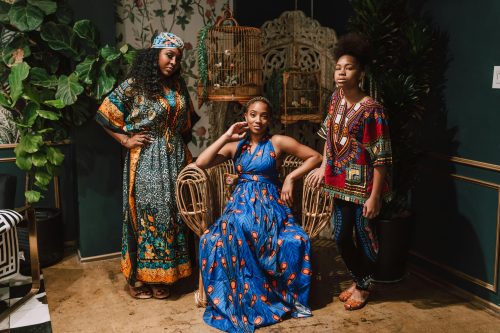
african fashion
The main drive for many traveling to West Africa is a deep desire to connect with ancestral origins. These visitors want to understand their family histories. These journeys hold immense emotional and personal meaning for the participants. Many diaspora members grow up hearing stories about ancestral lands. Visiting these places transforms those stories into a physical reality. Seeing the landscapes, tasting the food, and hearing the languages of their ancestors creates a powerful impact. Travelers often speak of a profound sense of recognition when they walk the streets where their grandparents once lived.
Reimagining Summer Travel in West Africa
Diaspora travelers want more than a resort stay. They seek genuine immersion in the daily lives and cultures of West Africa. This approach changes how they spend their time and money. These travelers look for ways to participate in festivals, workshops, and daily routines. They want to avoid the bubble of traditional tourism. Many seek homestay opportunities or volunteer with local organizations to learn about daily life. These interactions create meaningful connections that go far beyond a standard guided tour.

Culinary Journeys: Tasting Heritage
Food serves as a bridge to the past for many visitors. They seek out traditional recipes and explore the modern, evolving food scene. Trying regional specialties in local markets is a vital part of the experience. These culinary moments help visitors taste the heritage they traveled so far to understand. The arts scene in cities like Accra, and Abudjan is flourishing. Diaspora members engage with this energy by attending events and collaborating with local artists. Many curators and critics see this as a period of massive creative growth. Artists who blend traditional techniques with modern styles resonate strongly with the diaspora.
Bridging Continents: How the Diaspora is Reimagining Summer Travel in West Africa
Technology and strong networks make planning these heritage trips easier. Digital tools allow travelers to prepare, connect, and share their experiences before they even leave home.Social media and dedicated travel apps are essential for planning. They help visitors find local guides, learn about upcoming festivals, and connect with people before arriving. Online groups for the diaspora provide advice and support, making the planning process smoother and more personal. Community associations play a major role in organizing heritage travel. They provide information, coordinate group trips, and offer guidance on how to navigate the region. These groups are often the first stop for someone planning their first visit. They create a safety net and a sense of shared purpose for travelers. Many people engage with their heritage virtually before their physical journey. Online documentaries, digital archives, and virtual tours help them prepare for the trip. This engagement sets expectations and builds anticipation, ensuring that the physical visit is as meaningful as possible.

Cocoa beans
Future of Heritage Travel
The way the diaspora approaches travel changes the future of tourism in West Africa. It shifts the focus toward long-term impact, community benefit, and cultural preservation.The diaspora is a driving force for ethical travel practices. Many prioritize eco-friendly accommodations and community-led initiatives that keep benefits local. They push for a tourism model that respects the environment and preserves cultural assets for future generations. Younger generations of the diaspora are increasingly interested in their roots. They are likely to continue this trend of meaningful travel. Their approach will likely be even more integrated with technology and focus on building personal relationships with their ancestral lands.
A heritage-focused trip to West Africa is a powerful way to connect with your past. It offers more than a vacation; it offers a deeper understanding of your identity.

togo and benin festivals
Planning Your Personal Heritage Pilgrimage
Start by researching your own family history. Reach out to local community organizations before you leave. Set clear intentions for what you hope to experience, but allow room for the unexpected. Your journey is uniquely yours, and the effort you put into planning will shape the depth of your discovery. Book your next Heritage tour with Landtours Ghana.