

Detty December in Ghana-Africa’s Biggest Party Season
May 19, 2026
Why Visit Ghana, Togo, and Benin in One Trip
May 21, 2026
The Atlantic Ocean has a memory. For the millions of descendants of the African Diaspora, the crash of waves against the West African coastline is not just a sound; it is a heartbeat, a summons, and a song of resilience. Since Ghana’s landmark “Year of Return” in 2019, the “Homecoming” movement has transformed from a travel trend into a profound spiritual pilgrimage.
Most journeys begin at the formidable white walls of the slave dungeons; monuments to a painful past. But the story of the African Diaspora does not begin or end at the “Door of No Return.” To truly walk in the footsteps of the ancestors, one must travel inland, away from the well-trodden tourist paths, to the hidden sites where the journey to the coast actually began.
From the red dust of Northern Ghana to the spiritual lagoons of Benin, here are five hidden ancestral sites that offer a deeper, more intimate “Homecoming” experience.
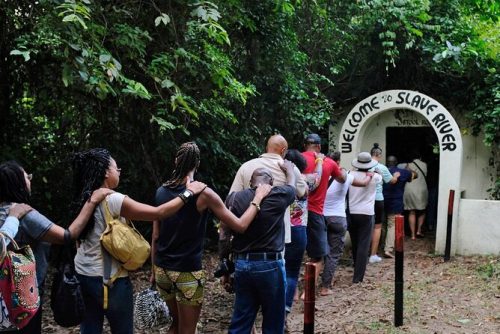
assin manso slave river
1. Assin Manso: The “Last Bath” (Central Region, Ghana)
Long before the captives reached the harrowing dungeons of Cape Coast or Elmina, they walked hundreds of miles through dense forests and scorching savannahs. Their final stop before the coast was a place of both tragedy and transition: Assin Manso.
Located about 40 kilometers north of the coast, the Ndonkor Nsuo (Slave River) served as the site where captives were allowed to bathe for the last time in African waters. It was a cruel preparation; they were “cleaned” to fetch a higher price at the coastal markets. Today, Assin Manso has been reclaimed as a site of healing.
Traveler’s Tip: Because Assin Manso is a day trip from the coastal hubs, you’ll want a sanctuary to return to. If your itinerary takes you toward the historic dungeons of Cape Coast or Elmina, we highly recommend staying at Anomansa Beach Resort. It offers the perfect, tranquil atmosphere to reflect on the emotional weight of the Slave River before you face the fortresses.
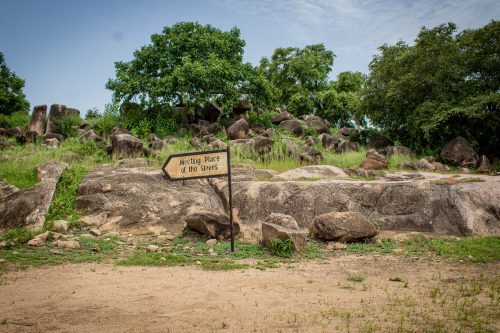
2. The Pikworo Slave Camp (Upper East Region, Ghana)
To understand the sheer scale of the ancestral journey, one must head north. Near the border of Burkina Faso lies Paga, home to the Pikworo Slave Camp. Established in 1704, this site was a major transit hub where captives were held before their long trek south to the markets of Salaga and eventually the coast.
Unlike the stone fortresses of the south, Pikworo is a natural prison. Here, the “cells” were the shadows of massive granite boulders. You can still see the indentations in the rocks where captives ground cereals for food, and the “punishment rocks” where those who resisted were tied under the blistering sun.
What makes Pikworo unique is the “Slave Cemetery” and the “Entertainment Rock.” On this flat stone, captives were forced to sing and play music to keep their spirits; and their market value—from flagging. Hearing a local guide recreate those melodies on a flute today is a haunting experience that bridges the centuries.

salaga slave market
3. The Salaga Slave Market (Savannah Region, Ghana)
Salaga was once the “Timbuktu of the South,” a bustling cosmopolitan hub where the trans-Saharan trade routes met the forest tracks. However, its history is deeply intertwined with the “Hidden” slave trade.
The Salaga Slave Market was the most significant inland market in West Africa. Here, captives were exchanged for salt, gold, and cowries. Today, the site is marked by a majestic baobab tree, standing where the market once thrived.
The most moving part of a Salaga visit is the “Slave Wells.” Because water was scarce, captives were forced to dig deep wells by hand to provide water for the caravans. These wells still exist, as do the “Ancestral Slave Cemeteries,” which remained unmarked for centuries.
Current trends in diaspora travel show a massive spike in “Genealogy Tourism.” Many African Americans and Caribbeans discovering “Northern” roots (such as Gur, Gonja, or Dagomba ancestry) are making the trek to Salaga to pour libations and reconnect with their specific ethnic origins.

4. Ouidah and the Zoungbodji Memorial (Benin)
While Ghana is the heart of the “Homecoming,” the Republic of Benin offers a spiritual depth that is unmatched. Ouidah was a major port for the Kingdom of Dahomey and a primary exit point for captives destined for Brazil and the Caribbean.
The “Route des Esclaves” (Slave Route) in Ouidah is a 4-kilometer path that captives walked from the slave auction block to the ships. Along this path lies the Zoungbodji Memorial, a mass grave where those who did not survive the wait for the ships were buried.
What makes Ouidah a “Hidden” gem is its connection to the Vodun religion. Many diaspora visitors find a strange sense of “home” in the sacred forests and temples of Benin, recognizing rituals and rhythms that survived in New Orleans, Haiti, and Bahia. The “Tree of Forgetfulness,” around which captives were forced to walk to lose their memories of home, has been countered by the “Tree of Return,” a spiritual monument ensuring their souls find their way back to African soil.
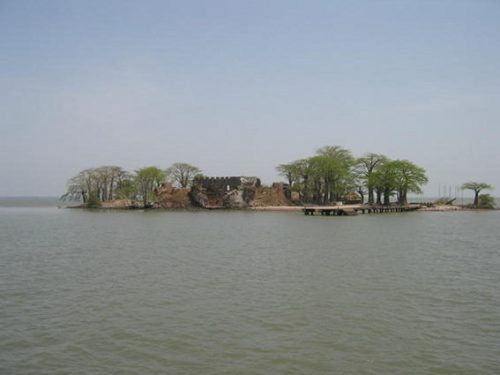
River_gambia
5. Juffureh and Kunta Kinteh Island (The Gambia)
For many, the desire to return was sparked by Alex Haley’s Roots. That story leads directly to the banks of the Gambia River.
Juffureh, the ancestral home of Kunta Kinteh, is a quiet village that has become a symbol of the “unbroken” link. Visiting Juffureh is a narrative experience; you can meet the descendants of the Kinteh clan and hear the oral histories passed down through generations.
A short boat ride away is Kunta Kinteh Island (formerly James Island). The ruins of the British fort are slowly being reclaimed by the river, creating a skeletal, atmospheric site that feels frozen in time. Unlike the massive, restored castles in Elmina, the ruins here feel raw and exposed, much like the history itself.
The Gambia’s “Homecoming” is intimate. It’s about sitting under a mango tree and talking to elders. It’s a slower, more reflective pace that complements the larger-scale heritage sites of its West African neighbors.
The Togo Connection
Togo, often overlooked between Ghana and Benin, holds the “Woold Home” in Agbodrafo. This merchant house, built in the mid-19th century, hides a cellar where captives were kept illegally after the trade was officially abolished. It is a chilling reminder of the persistence of the trade and a “must-see” for those doing a full West African circuit.
Why Ghana Remains the Anchor
Ghana remains the primary destination for “Homecoming” because of its proactive government policies and world-class hospitality. The country has made it easier for diaspora members to obtain residency and engage in local business.
Planning Your Journey: Essential Facts
- Visa Requirements: Ghana offers “Visa on Arrival” for many diaspora groups during the December peak season, but always check the current “Beyond the Return” guidelines. Benin and Togo have streamlined e-visa systems.
- DNA and Genealogy: Before you go, consider a DNA test. Knowing you have Mendinka, Akan, or Fon roots can turn a general tour into a specific family reunion.
- The “December in Gh” Phenomenon: While December is the most festive time (festivals like Afrochella/AfroFuture), visiting in the “off-season” (May-September) allows for a much more quiet, spiritual, and narrative experience at the ancestral sites.
- Local Etiquette: When visiting inland villages like Salaga or Juffureh, always greet the local chief (Nana or Alkalo) first. It is a sign of respect and opens doors to deeper storytelling.
The Door of Return
The “Homecoming” is more than a vacation; it is an act of reclamation. By visiting the hidden sites; the rivers, the northern markets, and the spiritual forests; you are stitching back together a map that was torn apart centuries ago.
The castles told you how they left; these hidden sites will tell you who they were before they were taken. Welcome home. Diaspora Travel.