

Why West Africa is the “New Mediterranean” for Wellness Seekers
May 11, 2026
Detty December in Ghana-Africa’s Biggest Party Season
May 19, 2026
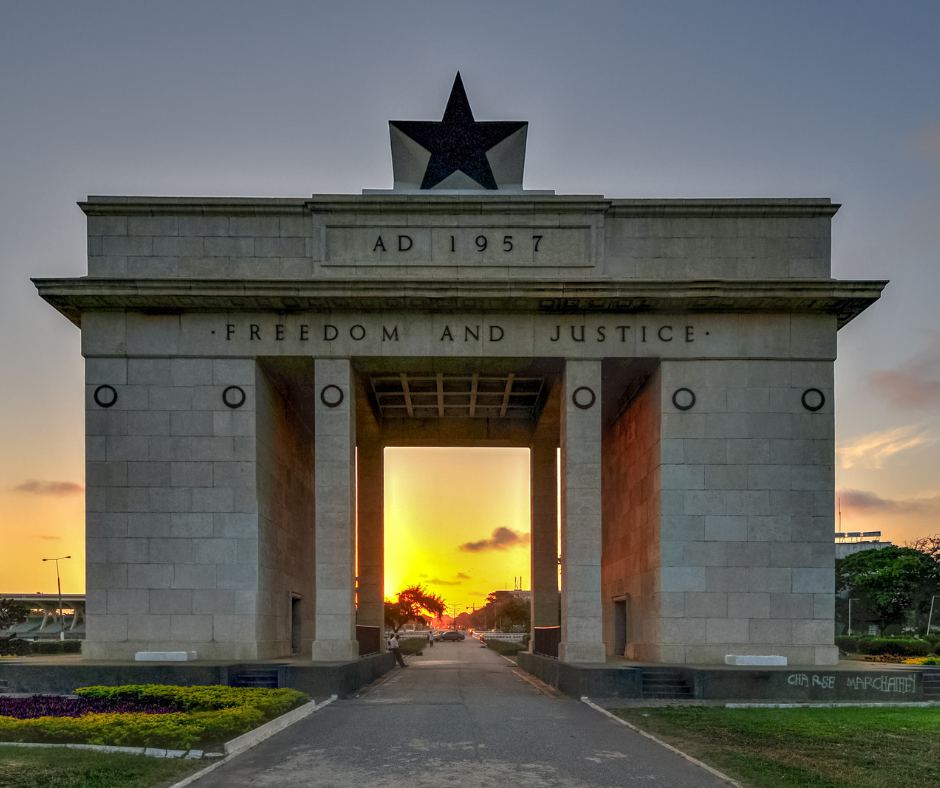
The moment you step off the plane at Kotoka International Airport in Accra Ghana, the air hits you; it’s thick, warm, and carries the faint, sweet scent of tropical humidity and woodsmoke. This is the “Gateway to Africa.” For many first-time travelers, Ghana isn’t just a destination; it is a homecoming. Since the landmark “Year of Return” in 2019, Ghana has surged to the forefront of global tourism, serving as the perfect launchpad for exploring the vibrant tapestry of West Africa, including neighbors like Togo, Benin, Senegal, and The Gambia.
If you are planning your first foray into the “Gold Coast,” here is everything you need to know about costs, safety, culture, and the rhythmic pulse of Ghanaian life.

Cape Coast Castle
The Culture: More Than Just a Greeting
In Ghana, the word you will hear most is Akwaaba (Welcome). It isn’t just a marketing slogan; it is a philosophy. Ghanaians are famously hospitable, and social cohesion is the backbone of the country.
The Unwritten Rules: West African culture is deeply rooted in respect. Always use your right hand for giving, receiving, or eating. Using the left hand is considered a major faux pas, as it is traditionally reserved for personal hygiene. When entering a room or a shop, a general “Good morning” or “Good afternoon” goes a long way.
The Vibe: While Ghana offers the bustling urban energy of Accra; where high-end rooftop bars in Osu overlook colonial-era structures; it also offers the somber, reflective history of the Cape Coast and Elmina Castles. If your journey takes you further east into Togo or Benin, expect a shift in language (French) and a fascinating dive into Voodoo culture and stilt villages. To the west, in Senegal and The Gambia, you’ll find a mix of French chic and the laid-back “Smiling Coast” river life.

street food
Safety: The Gold Standard of West Africa
One of the most common questions for first-timers is: Is Ghana safe? Statistically, Ghana is one of the safest countries in Africa. It consistently ranks high on the Global Peace Index. Violent crime against tourists is rare, though petty theft (like pickpocketing in crowded markets like Makola) can happen.
Safety Tips:
- Transport: Use ride-hailing apps like Uber or Bolt in Accra and Kumasi. They are safer and remove the need to haggle over prices.
- Solo Travel: Female solo travelers generally report feeling safe, though you may receive plenty of “marriage proposals” or enthusiastic greetings. A polite but firm “no thank you” is usually respected.
- Health: Ghana is a yellow fever zone (you’ll need your certificate for entry). Malaria is present, so consult your doctor about prophylactics and carry high-quality DEET repellent.
A Pro-Tip for the Region: If you are heading to Togo, Benin, or Senegal, they use the West African CFA franc. It is pegged to the Euro, making currency conversion a bit more predictable as you cross borders.
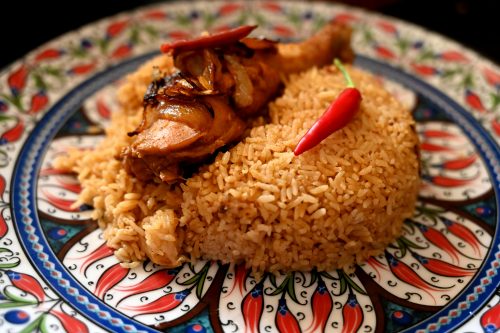
jollof
The “Jollof Wars” and Culinary Delights
You cannot visit Ghana without participating in the “Jollof Wars.” There is a friendly, decades-long rivalry between Ghana, Nigeria, and Senegal over who makes the best Jollof rice. (Hint: The Senegalese invented it, calling it Thieboudienne, but the Ghanaians have perfected the spice).
Don’t miss out on:
- Fufu and Light Soup: A staple made of pounded cassava and plantain.
- Banku and Tilapia: Fermented corn and cassava dough served with grilled fish and spicy shito (black pepper sauce).
Beyond Ghana: The West African Circuit
While Ghana is the heart of your trip, the surrounding countries offer distinct flavors:
- Togo & Benin: Easily accessible by road from Accra. Visit Ouidah in Benin to understand the spiritual roots of the Diaspora.
- Senegal: A hub of fashion and jazz. Dakar feels like a blend of Paris and Africa.
- The Gambia: A bird-watcher’s paradise and perfect for those seeking a slow-paced river retreat.

Ghana photo shot
Essential Tips for the First-Timer
- Get a Local SIM: Connectivity is great. Pick up a SIM card (MTN is usually best) at the airport. You’ll need your passport to register it.
- Embrace “Africa Time”: Things don’t always run on a strict schedule. Traffic in Accra can be legendary. Bring a book, be patient, and enjoy the scenery.
- Cash is King: While big hotels take cards, West Africa is still a cash-heavy society. Inform your bank before traveling, as many fraud systems flag West African transactions.
- The Weather: It’s hot and humid year-round. The best time to visit is during the “Harmattan” (December to February) when it’s slightly cooler and drier, though a bit dusty.
Ghana is a sensory overload in the best possible way. It is a land of vibrant kente cloths, rhythmic highlife music, and a history that is both heartbreaking and resilient. Whether you are searching for your roots, looking for world-class beaches in Busua, or wanting to see elephants in Mole National Park, your first trip to Ghana will likely not be your last.
Pack your sense of adventure, leave your preconceptions at the door, and get ready for a journey that will change the way you see the world. Akwaaba!