

Odwira Festival: Akropong’s Sacred Cultural Festival and What Visitors Should Know
October 20, 2026
São Tomé and Príncipe: Plan a Nature-and-Culture Island Escape
October 26, 2026

The World Health Organization describes World Mental Health Day as a chance to raise awareness and support action on mental health. Travel can offer a change of pace and setting, but its value depends on what you need and how you plan. Sleep, time outdoors, and warm social contact can support everyday wellbeing. They don’t replace assessment or treatment for ongoing or serious symptoms. If you’re receiving care, talk with a qualified health professional about travel plans and how to keep your support in place while away.
Slow travel usually means fewer stops, longer stays, and mornings without a rush to check out. It may include a walk with a local guide or a quiet afternoon near your lodging. You don’t need a luxury resort, costly treatments, or a full activity schedule to travel at a gentler pace.
Ghana, Senegal, Togo, and Benin offer different coastlines, forests, waterways, and heritage sites. The places below are itinerary ideas, not confirmed retreat providers. Check access, services, and local guidance before you book.

Kakum canopy walk
Find a restorative contrast between city life and nature in Ghana
The Cape Coast area can pair a coastal stay with a guided visit to Kakum National Park. Give yourself time to learn about the forest and the communities connected to it, rather than treating the visit as a quick photo stop. Heritage sites in the area call for the same care: listen to local guides and allow time to reflect.
Let Senegal’s landscapes set the pace
The Saloum Delta, a UNESCO biosphere reserve, offers a nature-focused base for a slower stay. Ask local operators about guided excursions, conservation rules, transport, and seasonal conditions before setting out. Staying in one place for several nights can leave more room to rest between outings.

togo tourism
Explore Togo and Benin through place-based experiences
In Togo, Koutammakou and the Kpalimé area may suit travelers interested in heritage, hills, and guided walks. Benin’s Ganvié and Ouidah offer culturally significant experiences, but neither should be framed as a retreat facility. Choose knowledgeable local guides, ask before taking photos, and follow guidance at sensitive sites.
A restorative trip depends as much on practical choices as on the destination. Think about travel time, accommodation, health needs, and how much structure feels right for you. Conditions and services differ by place, so confirm details with reliable, current sources before departure.
Limit transfers where you can, and stay near the activities that matter most to you. Before booking, check what a property provides, such as quiet areas, meals, or guided outings. Broad “wellness” claims don’t tell you what a stay will be like day to day.
Try building each day around one planned activity, with space for meals, breaks, and time without an agenda. Depending on access and comfort, that might mean walking with a local guide, journaling, or sitting outdoors. Leave room to change the plan if you’re tired or conditions shift.
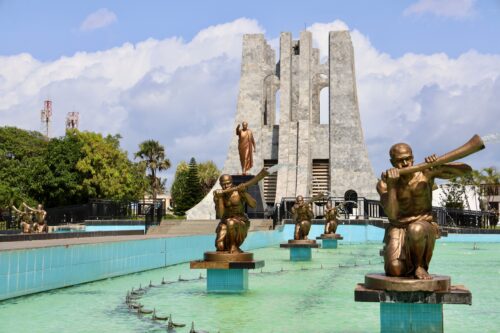
Kwame Nkrumah Memorial Park
Prepare for health, access, and travel logistics
Check entry rules, transport plans, and travel health guidance for each country on your route. Pack needed prescriptions and confirm availability before you go. If you need mental health support, identify suitable care options in advance and plan how you’ll stay in touch with providers at home. A trip built around wellbeing should account for the people and places that make it possible. That means asking clear questions before you pay, following local customs, and choosing services that benefit local communities where feasible. Personal comfort and care for the place can go together. Ask who leads each activity, what experience or training they have, and what the price includes. Be cautious of promises to cure anxiety, depression, or other health conditions. A responsible provider should describe its services clearly and avoid claims that take the place of clinical care.
Reduce the footprint of a slower trip
Staying longer in fewer places can ease the pressure of a packed itinerary. Where practical, choose locally owned services and follow rules at parks, heritage sites, and community spaces. Slow travel still involves choices about transport and spending, so consider their effects as you plan. The value of a trip may include a pause, a new view, or time with people you care about. Those moments can support wellbeing, but lasting mental health support may also need care and relationships at home. Keep the plan personal and leave room for the trip to be different from what you expected.
Pick one small habit that fits your everyday life, such as a regular outdoor break, a screen-free meal, or a slower start to the morning. You don’t need to keep every part of a holiday routine. Choose a trip that fits your needs, and let local context shape how you spend your time.
Book a wellness retreat tour with Landtours.