

São Tomé and Príncipe: Plan a Nature-and-Culture Island Escape
October 26, 2026
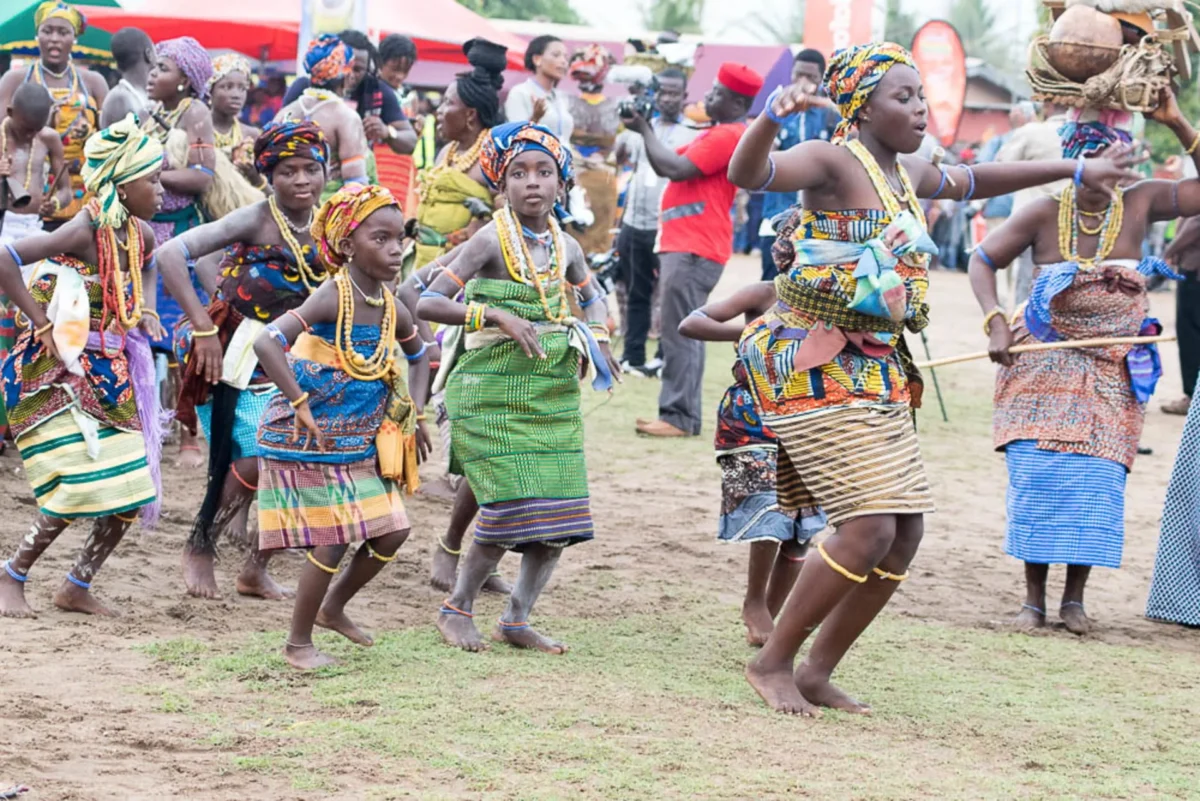
In Anloga, Hogbetsotso brings Anlo Ewe people together for ceremonies, music, and a shared remembrance. For a first-time visitor, it offers a chance to learn about local heritage while seeing how cultural memory connects with community life today. The festival recalls the Anlo Ewe migration from Notsie, in present-day Togo, to southeastern Ghana. The story has been passed down through Anlo oral tradition and remains central to how many people understand their shared past.
Discover the history and meaning behind Hogbetsotso
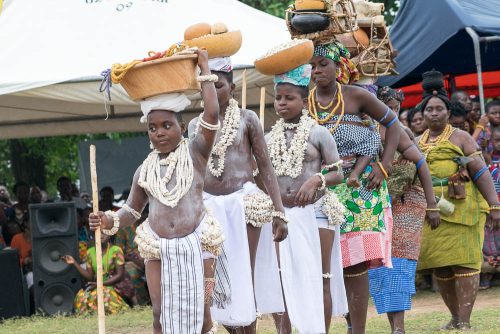
Hogbetsotso festival
Anlo oral tradition tells of the people’s departure from Notsie under the rule of King Agorkor, also known as Agokoli. In the account, they left the kingdom and moved south toward the area they now call home in Ghana. The story has been shared across generations as part of Anlo history and identity. Oral histories are a way communities preserve and pass on the past. Details may differ between tellings, so visitors should listen to Anlo voices and avoid treating one version as the only account. The migration story is best understood as a living tradition, not as a claim that every detail has been independently confirmed. Hogbetsotso remembers the migration from Notsie and the community’s survival along the way. The festival gives people a shared time to recall their history and honor those who came before them. It also brings that memory into public life through gatherings and cultural events.
See why the festival matters today
For many Anlo Ewe people, Hogbetsotso is a time to renew ties with family, community, and heritage. People who live elsewhere may return to join the celebrations and meet relatives. The event connects younger generations with stories and practices that might otherwise be less familiar.
Visitors can witness parts of that community life, but the festival is not staged only for tourists. Its meaning belongs first to the people who celebrate it. Keeping this in mind helps you attend with care and respect.
What to expect at Hogbetsotso Festival

hogbetsotso festival ghana
Festival programs may include ceremonial gatherings, traditional music, and dance. The exact events and performers can change each year, so don’t assume a past schedule will match the current one. Check the latest program before you set your plans. A durbar may be one of the festival’s main public gatherings. Traditional leaders and community members can come together for formal proceedings, speeches, and cultural displays. Its location, timing, and visitor access depend on the year’s arrangements. Arrive with time to find the event area and follow any directions from organizers. If seating or entry rules apply, respect them without trying to move closer for a better view. You’ll get more from the gathering by listening and observing than by interrupting it for photos.
Take part respectfully in Anlo Ewe culture
Ask permission before taking close-up photos of individuals, traditional leaders, or ceremonial moments. A person may not want their image taken, even in a public setting. Respect their answer without pressing for a reason. Follow any photography limits announced at a venue or by organizers. Avoid blocking people’s view or interrupting an event to get a shot. When in doubt, put the camera away and observe. At a ceremonial space, watch what local participants do and follow instructions from hosts. Keep a respectful distance and avoid speaking over proceedings. Some parts of the festival may be intended mainly for community members.
If you don’t know whether you may enter or approach, ask before moving closer. A professional guide from Landtours may be able to explain the rules. Their direction helps protect the event and gives you a clearer sense of what you’re seeing.
Support local businesses and cultural practitioners
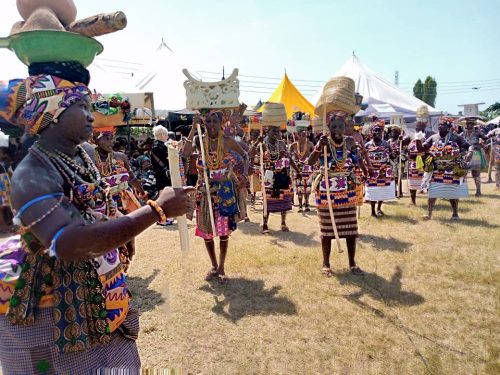
Hogbetsotso festival in Ghana
Buying from local vendors can support people who help make the festival part of community life. You might also meet artists, performers, guides, or craftspeople. Ask about their work and listen without treating their time or knowledge as a free service. Pay a fair price and ask before handling items for sale or display. Cultural clothing, objects, and performances carry meaning beyond their appearance. Treat them as part of people’s lives, not as props for a travel photo.
Hogbetsotso is a living cultural event, so the program may not unfold like a fixed show. A ceremony may run longer than planned, or an activity may move to a different time or place. Patience helps you stay present when plans shift. Some of the most useful parts of a visit may come from listening, watching, and speaking with people respectfully. Let the day take its own shape instead of trying to fit every moment into a strict schedule. That approach leaves room for learning.
Leave Hogbetsotso with a deeper understanding of Anlo heritage
Hogbetsotso brings the Anlo Ewe migration story into community life through remembrance and public celebration. For a first visit, confirm the current dates, arrange transport and lodging early, and follow local guidance at events. Most of all, let Anlo voices guide what you learn. Arrive ready to listen, and leave space for the festival to unfold on its own terms. Book a festival tour with Landtours.