

5 Activities to Do in Ghana During World Tourism Day 2026
September 9, 2026
All you need to know about Kundum festival in Ghana
September 14, 2026
World Tourism Day 2026 falls on Sunday, September 27. The date offers a strong reason to plan more than a quick city break. These activities to do in West Africa during World Tourism Day 2026 connect heritage, food, music, nature, and local businesses across Ghana, Benin, and Senegal.
Follow Ghana’s Coastal Heritage Trail
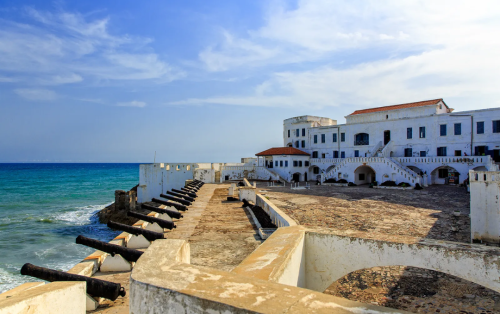
cape coast castle
Visit Cape Coast Castle and Elmina Castle with a trained guide. Both form part of Ghana’s UNESCO-listed forts and castles, which connect gold trading, European colonial rule, the transatlantic slave trade, resistance, and remembrance. Allow time for nearby towns and museums instead of rushing between castles. The UNESCO record on Ghana’s forts and castles provides verified background.
Explore Benin’s Royal Palaces
The Royal Palaces of Abomey reveal the history of the former Kingdom of Dahomey. The site includes royal courtyards, earthen walls, museum collections, and symbols linked to royal power and craft. Confirm which galleries and palace areas will open in September 2026. An accredited local guide can separate documented history from stories that lack reliable support. UNESCO describes the site’s history and conservation work in its Abomey heritage listing.
Visit Gorée Island and Saint-Louis
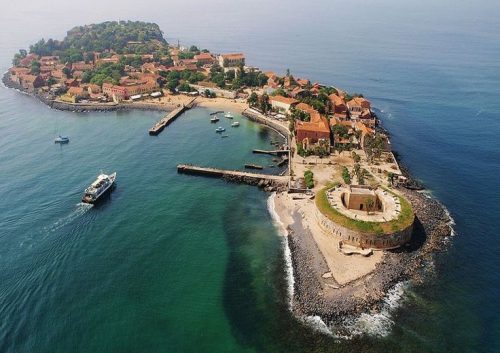
Goree Island, Senegal
Senegal offers two major heritage stops: Gorée Island near Dakar and the Island of Saint-Louis. Both connect architecture, colonial history, cultural exchange, and painful memories of slavery. Check ferry times before visiting Gorée, then plan for walking, heat, and limited shade. Use museum-led interpretation and avoid treating sites of memory as photo backdrops. Saint-Louis is also worth time for its quays, old buildings, and local community life. Food brings daily culture into view. A market visit, cooking class, or small restaurant meal can show how ingredients and cooking methods differ across the three countries.
Sample Ghanaian Food in Local Markets
Try jollof rice, waakye, banku, fufu, and grilled seafood in Accra, Kumasi, or a coastal town. These dishes vary by cook and region, so ask about spice, ingredients, and preparation. Choose busy stalls with high customer turnover, carry hand sanitizer, and follow current health guidance. Ask before taking photos in markets or kitchens. Share allergies, dietary needs, and halal or vegetarian preferences before ordering.
Ouidah, Porto-Novo, and Cotonou offer food tours, markets, grilled seafood, maize-based meals, sauces, and seasonal produce. Avoid calling one dish the single national food of Benin, since recipes and names differ by region. Book cooking sessions with established operators or trusted local hosts. A guide can explain market etiquette and help you identify local ingredients. Check official health advice for drinking water and food safety before departure.
Follow Senegal’s Food Traditions
Senegalese meals such as thiéboudienne, yassa, and mafé offer a useful starting point. Dakar, Saint-Louis, and coastal communities each bring local habits to the table. Ask whether food is prepared to order or served from a shared pot. Reserve cooking classes ahead, especially around September 27. A good host may also explain Wolof, Serer, Pulaar, or other influences on the meal.
Join Music, Festivals, and Creative Communities
World Tourism Day Ghana 2026, World Tourism Day Benin 2026, and World Tourism Day Senegal 2026 may include ceremonies, exhibitions, talks, music, or workshops. None should be treated as confirmed until tourism boards, organizers, museums, and venues publish their schedules. Monitor the Ghana Tourism Authority, local assemblies, museums, and cultural centers for September events. Programs may include tourism fairs, dance, craft demonstrations, public talks, or events outside Accra. Check registration rules and capacity limits before attending. Ask about dress, photography, drones, and public participation. Spending time in smaller towns can spread visitor income beyond the capital.
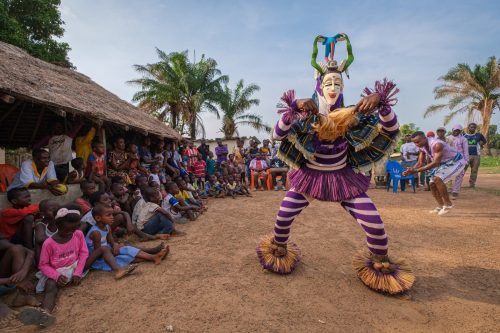
festivals in ghana
Ouidah and Porto-Novo offer museums, craft centers, music, dance, and organized cultural experiences. Vodun traditions require care, since sacred practices are not performances created for tourist viewing. Attend only public events that welcome visitors. Ask permission before photographing people, ceremonies, or sacred objects. Local cultural mediators can explain what visitors may watch, join, or leave alone.
Dakar and Saint-Louis have galleries, live music, dance, craft markets, and public cultural spaces. Check city and venue calendars instead of assuming a festival will fall on September 27. Buy from artists or known cooperatives when possible. Ask about materials and fair prices before purchasing crafts. Performances may follow local schedules, so keep your plans flexible.
Explore Nature With Responsible Outdoor Travel

Nature activities can balance busy heritage visits. Park rules, road conditions, rainfall, guide needs, and access can change close to departure.
Kakum National Park is known for rainforest trails and a canopy walkway. Confirm operating conditions before travel, and use authorized guides or park operators. Wear firm shoes and carry rain protection. Follow trail, litter, wildlife, and photography rules. Never promise animal sightings or assume the canopy walkway will operate every day.
A boat trip around Ganvié offers insight into life on the water. It is a cultural waterway experience, not the same as a wildlife safari.Wear a fitted life jacket and choose local boat captains who respect community routes. Plan for sun, heat, mosquitoes, and limited services. Never feed wildlife or enter restricted areas.
Senegal combines beaches, wetlands, river areas, and protected parks. Niokolo-Koba National Park can offer a major nature experience, but access, roads, guides, and conservation rules need current checks.Use licensed guides and keep a safe distance from wildlife. Avoid buying products made from protected species. Consult park authorities and current travel advisories before booking a remote visit.
Pack for Heat and Walking
Bring breathable clothing, comfortable shoes, sun protection, rain gear, document copies, and secure digital backups. Carry some local currency, while using secure payment methods where available.Your trip can create lasting memories while respecting the people, places, and traditions that give West Africa its character. Book a tour with Landtours today.