

Celebrating World Chocolate Day with Ghana’s Luxury Cocoa Tours
July 13, 2026
How to Experience the Authentic Bakatue Festival in Elmina This July
July 13, 2026
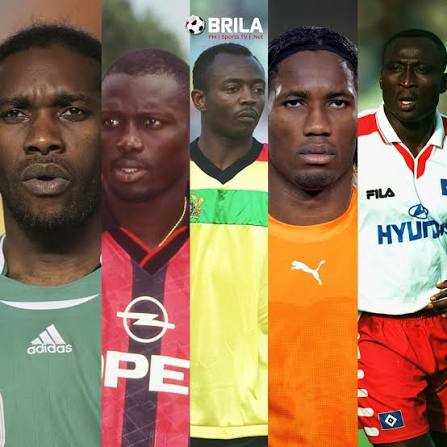
When Papa Bouba Diop, African soccer legend scored the opening goal in the 2002 World Cup, he changed the perception of African football. The shock win for Senegal over France signaled that a new era had arrived. West Africa is a hotbed of talent that provides elite players to clubs across the globe. These athletes bring speed, skill, and grit to the pitch. Understanding where these stars come from requires a look at the history, culture, and training systems that build them.
The impact of these African soccer legends are massive. They break barriers and create pride for their nations. This success stems from street football, dedicated academies, and a deep love for the sport. Join us as we look at the countries that have gifted the planet an unmatched array of soccer talent.
Senegal: The Lions’ Roaring Legacy
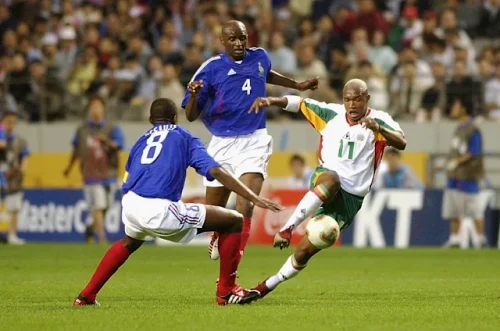
Senegal has become a beacon for talent in the region. The country moved from the fringes of the sport to the center stage in a short time. Its footballing identity rests on a mix of tactical discipline and natural flair.
The 2002 World Cup quarter-final run remains the defining moment for Senegalese football. Players like El Hadji Diouf and Papa Bouba Diop proved that the Lions of Teranga could compete with the best. This squad turned football into a national obsession. It gave young kids real heroes to copy in the streets. Since that tournament, Senegal has remained a fixture in international events, consistently qualifying for major competitions. The 2002 team set a standard for what is possible for the national side.
The rise of academies changed the future of Senegalese football. Centers like Diambars Academy focus on education alongside sport. They give young players a path to reach European clubs while teaching them life skills. This model ensures that talent is not wasted. Many players now move to top leagues in France or Belgium before they even turn twenty. This structured path creates more consistent results for the national team.
Cultural Significance of Football
Football is the pulse of the country. You see it everywhere, from dusty neighborhood pitches to large stadiums in Dakar. Fans show immense passion, and the sport acts as a bridge between different groups in society. The local game is a way of life. It creates a shared identity that unites the nation during every international tournament.
Ghana is famous for its tactical intelligence and technical prowess. The country has a long tradition of producing midfielders who can dictate the tempo of a match. The Black Stars have a reputation for being tough to beat in any tournament.
Abedi Pele and the Dynasty of Talent

Abedi Pele
Abedi Pele Ayew is perhaps the most famous name in Ghanaian football history. He was a master of the midfield and a pioneer for African players in Europe. His legacy lives on through his sons, Andre and Jordan Ayew. Both have played for the national team and in top leagues abroad. This family dynasty shows the deep connection between generations of Ghanaian players.
The Ghana Football Association (GFA) invests heavily in youth systems. Programs like the Right to Dream Academy have gained global recognition. They combine top-tier football training with formal schooling. This focus on long-term development has helped Ghana perform well in youth World Cup tournaments. It creates a steady stream of players who are ready for professional football at a young age.
The 2010 World Cup in South Africa was a massive moment for Ghana. The Black Stars reached the quarter-finals and captured the hearts of fans around the planet. That performance did more than just win games; it raised the profile of the nation. It showed that Ghana could compete on the biggest stage. This success in international sport has become a key part of Ghana’s national brand.
Côte d’Ivoire: The Elephants’ Ivory Coast
Côte d’Ivoire has become a force by producing players with immense physical power. The national team, known as the Elephants, mixes strong defense with a creative attack.
Drogba, Yaya Touré, and the Golden Era

Drogba and Yaya Touré
African soccer legends such as, Didier Drogba and Yaya Touré are the faces of a golden generation. Drogba was a dominant striker who could score from any angle. Yaya Touré controlled the midfield with his power and passing range. Together, they led the nation to its first Africa Cup of Nations title. Their impact was not just on the pitch; they became symbols of unity for their country. They proved that Ivorian talent could reach the peak of professional soccer.
The Role of Academies in Ivorian Football
Academies like ASEC Mimosas have been vital to the success of Ivorian football. This club focused on finding kids from all over the country and giving them elite coaching. They built a system that turned raw talent into polished professionals. Many Ivorian stars started their journey at these academies before making the move to big European clubs. This model of local training remains a key part of their ongoing success.
National Pride and Football as a Unifying Force
Football helps bring people together in Côte d’Ivoire. During moments of national tension, the performance of the national team has acted as a cooling influence. When the team plays, the country stops. This sense of pride is tied to the success of the Elephants. The sport is a way for citizens to feel part of one national identity. African soccer legends.