
Why Diasporas Flock to Ghana for Naming Ceremony Tours
April 10, 2026
The Ultimate Guide to Family-Friendly Bleisure Travel
April 20, 2026
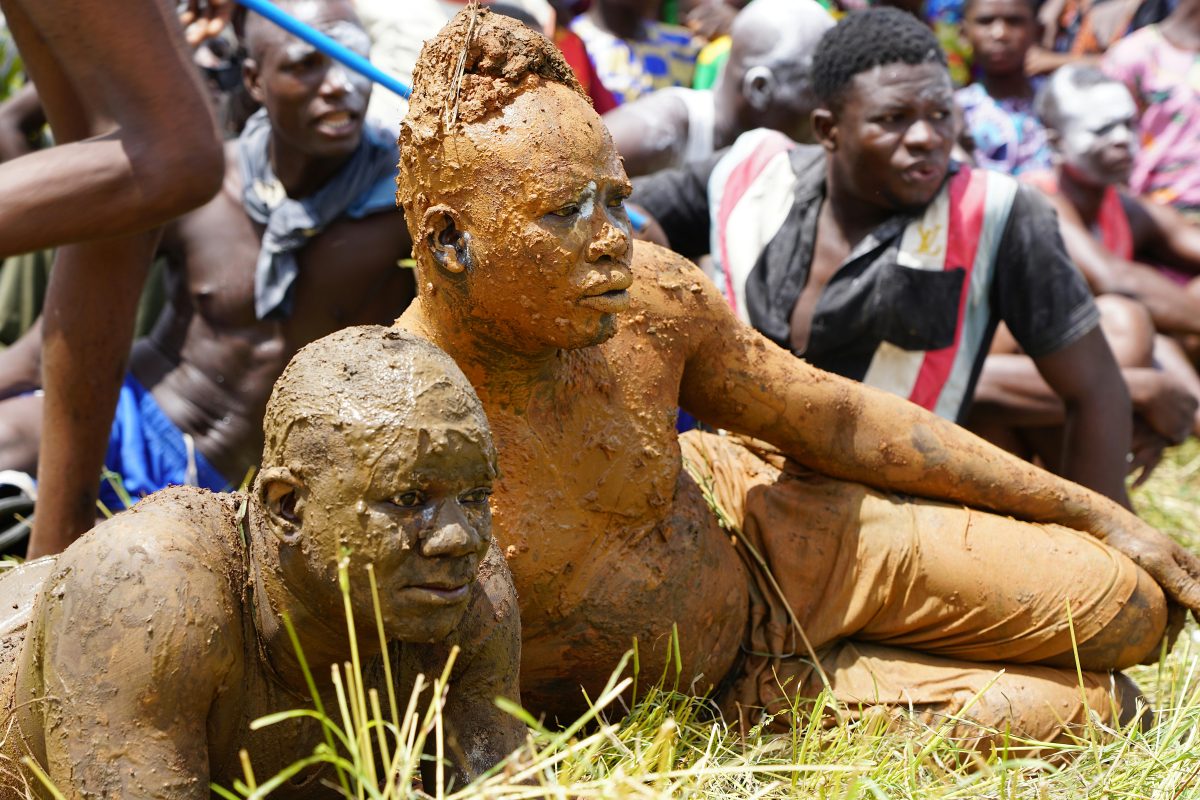
Togo and Benin stand as key spots in West Africa where old spiritual ways thrive. These lands blend deep-rooted traditions with daily life. Vodun and other beliefs mix with newer faiths, creating a rich tapestry.
This article dives into the festivals, rituals, and sacred ceremonies that tie people to their past. You’ll see how these events keep history alive and build community bonds. From big public gatherings to quiet personal rites, they show the soul of Togo and Benin. Get ready to explore this world where culture and spirit dance as one.
Togo and Benin hold strong ties to ancient spiritual paths. These beliefs shape how folks live, work, and connect with each other. They go back centuries, passed down through stories and songs.
togo and benin festivals
Vodun: More Than Religion, A Way of Life in Benin
Vodun, often called Voodoo in the West, means much more than spells or dolls. It’s a full system of honoring spirits that guide the world. In Benin, it touches every part of life, from farming to family ties. The United Nations group UNESCO lists it as key cultural heritage, safe from fading away.
At its heart sits a wide group of gods and spirits. Mawu brings creation and calm, while Lisa stands for the sun’s power. Other loa, like Legba, open doors between worlds. Priests, known as Houngan, and priestesses, Mambo, lead the way. They heal the sick, settle fights, and call spirits during tough times. In villages, they act as leaders who keep peace and share wisdom. You might see a Mambo mix herbs with prayers to fix a broken bone.
Ewe and Fon Spiritual Cosmologies in Togo
In Togo, the Ewe people honor ancestors above all. They see the dead as guides who watch over the living. Nature plays a big role too; rivers, trees, and animals hold spirit power. The Fon, kin to Benin’s groups, share similar views but add twists like twin spirits.
These ways blend with church or mosque visits for many. A person might pray to Jesus in the morning and offer food to ancestors at night. This mix keeps old roots strong amid change. Elders teach kids these stories around evening fires. It builds a sense of place and duty in the family.
Big festivals pull crowds from near and far. They mark seasons, honor gods, and unite folks. In Togo and Benin, these events shine a light on shared pride.
vodun festivals
The Grand Return of the Ancestors: Epe-Ekpe (Togo)
Epe-Ekpe calls back the spirits of the past. Held among Ewe communities, it cleanses the land and people. Families gather to remember those gone, seeking blessings for the year ahead.
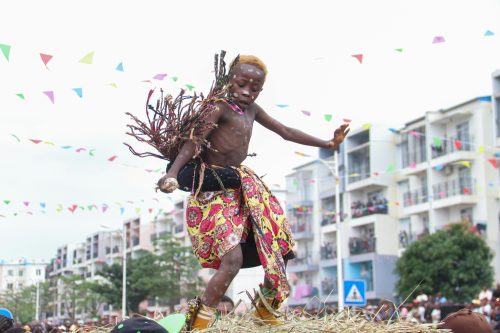
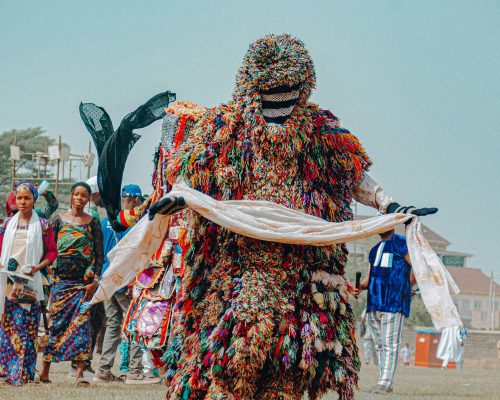
Masks cover dancers’ faces, carved from wood with bright paints. Costumes flow with feathers and shells that rattle in rhythm. Performers twist and jump, mimicking ancestor moves. Drums lead the way, fast and fierce. At night, fires light the paths where spirits walk. This rite helps heal old pains and strengthens ties.
The Unveiling of the Zangbeto (Benin and Togo Borders)
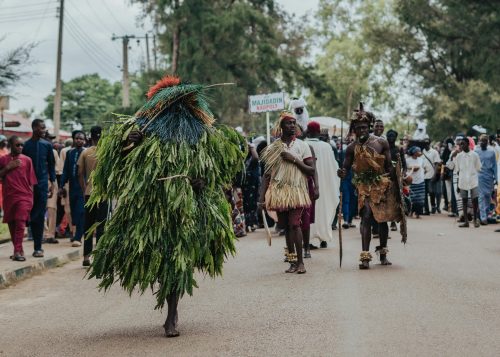
Zangbeto guards the night like silent watchers. These straw-covered figures spin in the dark, enforcing old laws. The festival happens in border towns like Ouidah in Benin, drawing eyes from both sides.
They start as round shapes on stilts, hidden under thatch. Then they whirl, sometimes on eggs without breaking them. It shows spirit strength and warns against wrong acts. Crowds cheer as Zangbeto “dance” to prove their power. In places like Abomey, locals join with songs and gifts. This event keeps social rules alive through awe.
- Key elements include:
- Spinning displays that amaze viewers.
- Offerings of palm wine to calm the guards.
- Stories told after, about past protections.
togo and benin festivals
The Festival of the Ogou in Benin
Ogou honors the warrior spirits of Vodun. It falls in the dry season, around January or February. Devotees seek strength for battles, big or small, in life.
Iron tools and red cloths mark the sites. People offer chickens or goats, shared in community meals. Dances mimic sword fights, with drums urging them on. This rite builds courage and thanks the gods for wins. In Porto-Novo, it draws hundreds who feel the energy surge.
Intimate Rituals: Personal and Communal Life Cycles
Not all ceremonies fill stadiums. Many happen in homes or small groups. They mark big steps in life, keeping traditions close.
Birth starts with a naming rite seven days later. Elders pour water on the baby, calling its spirit to stay. Names link to family history or dreams from the night before.
Initiation into adult life tests young ones. Boys and girls learn skills through trials and teachings. For marriage, families swap gifts like cloth and yams. The bride dances into her new home amid cheers. Elders guide it all, sharing rules for harmony. These steps build strong roles in the group.
- Steps in a typical marriage ritual:
- Families meet to agree on terms.
- Bride price is paid with symbolic items.
- A feast seals the bond with songs.
Healing and Divination Practices
Healers blend plants with spirit calls. In Togo, a diviner throws cowrie shells to read fates. It uncovers hidden woes, like curses or lost paths.
Take neem leaves for fevers; boiled with chants to drive out illness. The session starts with smoke cleansing the air. Spirits speak through the shells’ fall. In Benin villages, this draws lines between body and soul. Folks trust it to fix what doctors miss.
The Sacred Landscape: Sites of Power and Pilgrimage
Land holds spirit weight here. Rivers flow with old power. Forests whisper secrets to those who listen.
Sacred groves dot the countryside, off-limits without leave. Trees there house spirits; cutting one brings bad luck. The Mono River in Togo calls pilgrims for baths that wash sins.
Taboos keep these spots pure—no hunting or loud talk. Fetishes, small wrapped bundles, guard homes from harm. Visit with quiet steps and small gifts. In Benin’s Pendjari area, such sites pull seekers yearly.
togo and benin festivals
The Significance of Shrines and Altars (Abodes of the Spirits)
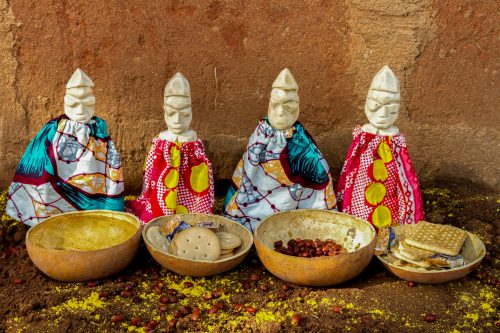
Altars sit in home corners, clay pots with beads and photos. They welcome ancestors with weekly food drops. Community shrines stand taller, built with mud and thatch.
Offerings keep balance; water for peace, rum for strength. Artisans carve doors with spirit eyes. Upkeep shows respect; neglect invites trouble. These spots tie daily acts to the unseen world.
Change presses on old ways. Cities grow, pulling youth away. Yet these traditions fight back with grit.
Tourism, Authenticity, and Cultural Commodification
Tourists flock to see Zangbeto spin. It brings cash but risks turning rites into shows. Locals guard the heart of ceremonies from fake versions.
To join right, watch from the crowd’s edge. Ask before snapping photos; respect rules first. This way, you honor without harm.
Benin’s leaders push school programs on Vodun history. Togo funds groups to record songs and dances. Books and films spread the word to young ears. These steps shield the practices from loss.
Echoes of the Ancestors
Festivals and rituals in Togo and Benin weave culture with spirit. From drum beats in Epe-Ekpe to shell throws in healings, they hold the past tight. These acts build identity and adapt to now.
They stand as live links to roots, full of life and shift. Picture a dancer’s leap under stars—it calls you to feel the pull. If you travel there, step light and listen deep. Your trip could spark a deeper tie to this vibrant world.
Book a Vodun tour of Togo and Benin with Landtours.