
African Hairstyle Culture Trends in 2025
December 2, 2025
10 days Senegal Jazz Festival Tour
December 2, 2025
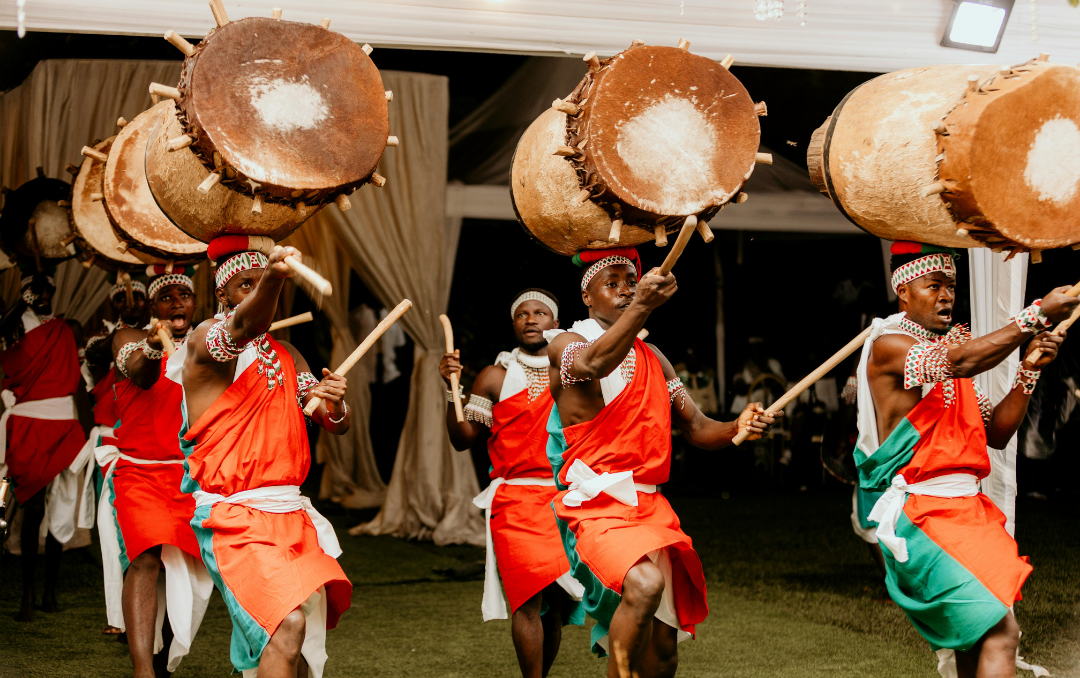
Dance has long been a central expression of African identity, serving not only as an art form but also as a medium of communication, spirituality, and cultural preservation. In the modern day, African dance culture continues to exert a powerful influence across global creative industries, reshaping music, fashion, entertainment, and even wellness practices. Its technical foundations, cultural depth, and adaptability have made it one of the most dynamic forces shaping contemporary artistic landscapes
Traditional African dances are built on strong rhythmic structures closely tied to drumming patterns. Unlike many Western forms that emphasise symmetry and linear movement, African dance typically employs:
African dance
Polyrhythms: Dancers execute movements to multiple overlapping rhythms simultaneously.
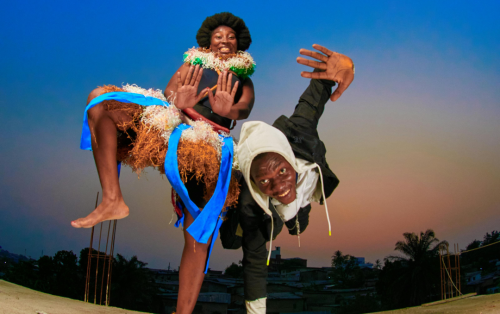
Isolations: Specific parts of the body, hips, shoulders, or chest; move independently to highlight rhythmic accents.
Grounded posture: Movements are performed with bent knees and a low centre of gravity, symbolising a deep connection with the earth.
Call-and-response format: Dancers often engage directly with drummers, singers, or the audience, blurring the line between performer and spectator.
These technical elements remain embedded in modern adaptations, from street dance battles in New York to Afrobeat choreographies trending on TikTok.
One of the most visible manifestations of African dance influence lies in the global music scene. Genres such as Afrobeats, Amapiano, and Afro-house are inseparable from their signature movements. Choreographies like Shaku Shaku, Zanku, and Amapiano legwork are not only performed in African clubs but have gone viral across continents.
Global artists, such as Beyoncé in Black Is King or Burna Boy on international stages, use African dance both as cultural homage and as a spectacle of visual artistry. This integration has shifted performance standards, pushing mainstream pop music to embrace African movement vocabularies as central components of live shows and music videos.
Beyond music, African dance has deeply shaped several professional dance forms:
African dance
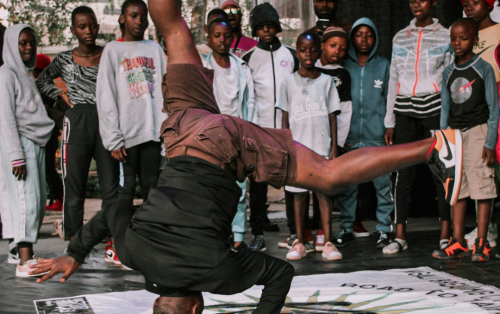
Hip-Hop & Street Dance: Foundational moves such as popping, locking, and breaking draw on African isolations and polyrhythms. The emphasis on freestyle and improvisation reflects the communal nature of African dance.
Contemporary Dance: Choreographers worldwide integrate African-grounded movement, percussive gestures, and storytelling elements into modern ballet and contemporary repertoires.
Fitness & Wellness: Programs like Zumba and Afro-dance cardio routines directly adapt African movement for health-conscious audiences, promoting cultural appreciation through exercise. These technical integrations highlight African dance as both a source and an engine of innovation within the global dance education landscape.
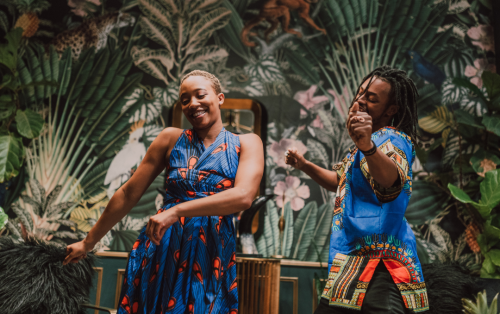
In the digital era, social media platforms have amplified African dance culture, enabling young creators to globalise traditional and urban African styles within seconds. TikTok challenges and Instagram reels have made dances like Jerusalema and Gwara Gwara global phenomena.
African dance
Importantly, these platforms serve as vehicles of cultural preservation. Younger generations document and share dances tied to rites of passage, harvest, or warrior traditions, ensuring continuity while reimagining them in modern contexts. This dual role of preservation and reinvention is what allows African dance to remain both rooted and progressive.
African dance has become more than a cultural expression; it is now an economic driver. Professional choreographers, dance instructors, and influencers generate income through online tutorials, global workshops, and collaborations with international brands.
Culturally, African dance provides diasporic communities with tools to reconnect with ancestral traditions. In academic spaces, it is increasingly studied not just as art but as a lens for understanding African history, politics, and philosophy. Thus, its influence extends into education, cultural diplomacy, and community building.
The influence of African dance culture in the modern day is both technical and cultural, spanning local traditions and global mainstream industries. Its emphasis on rhythm, isolation, and community engagement continues to inspire innovations in performance, wellness, and popular culture. More than a trend, African dance remains a living tradition that evolves while maintaining its core identity; bridging past and present, Africa and the world.