

International Youth Day: 7 Adventure Trips for Young Travelers in Ghana
August 20, 2026
5 Activities to Do in Ghana During World Tourism Day 2026
September 9, 2026

Fetu Afahye is more than a lively street festival. It is a major celebration of the Oguaa Traditional Area, shaped by thanksgiving, purification, ancestral remembrance, traditional authority, food, and community pride. The public events may attract visitors, but the festival belongs first to the people of Oguaa.
Discover the Meaning Behind Fetu Afahye
Knowing why Fetu Afahye takes place changes how you see the music, clothing, processions, and ceremonies. The event is rooted in Oguaa identity and connects the past with present community life. Fetu Afahye belongs to the Oguaa Traditional Area, whose center is Cape Coast. Traditional leaders, queen mothers, family groups, youth, musicians, traders, and residents all help give the festival its public character.
The celebration also strengthens ties between people who live in Cape Coast and those who return from other parts of Ghana or abroad. Public gatherings create space for greetings, family meetings, speeches, dancing, and displays of local pride. Traditional authority remains central, even as modern festival events draw a wider audience.
Explore purification and renewal
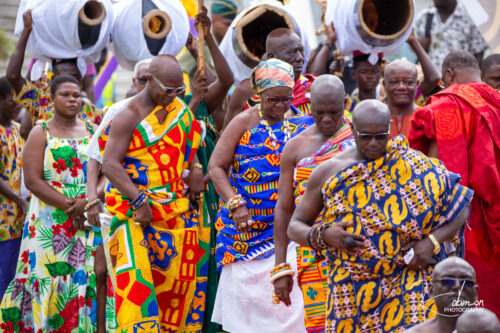
Fetu Afahye 2026 purification
Popular accounts connect Fetu Afahye with thanksgiving after a period of sickness and hardship. The festival is also linked with cleansing, spiritual protection, renewal, and gratitude. Details about its early history and the meaning of its name can differ across accounts, so rely on statements from the Oguaa Traditional Council and respected Ghanaian cultural sources. Religious observances and traditional ceremonies now share the festival calendar with public processions, music, fashion, food, speeches, and tourism activity. That mix reflects how living traditions adapt while keeping important customs in place.
Experience Cape Coast When Fetu Afahye Reaches Its Colorful Peak
The busiest days bring sound and movement to Cape Coast. Event dates, routes, and arrangements can change, so check the latest program before setting out.
Public celebrations often feature drumming, singing, dancing, coordinated clothing, and organized movement through city streets. Groups may arrive in matching cloth, while families and community associations gather along routes to greet participants. The sound can travel well beyond the main gathering areas. Wear comfortable shoes and expect slow movement when roads fill with people. Only add specific performers or events to your plans when the official program confirms them for that year.
Chiefs, queen mothers, linguists, drummers, umbrellas, stools, beads, and formal regalia may appear during ceremonial occasions. These items can carry links to status, authority, family history, and public office. Ceremonial spaces may have clear boundaries. A good viewing spot does not give permission to enter a restricted area, touch regalia, or interrupt a procession.
Make Fetu Afahye Part of a Richer Cape Coast Visit
Fetu Afahye can anchor a broader stay in Cape Coast. Give the festival priority, then add heritage, food, markets, and quiet time between major gatherings. Cape Coast Castle offers historical context that differs from the cultural purpose of Fetu Afahye. A guided visit can help you understand the city’s role in the transatlantic slave trade and Ghana’s wider colonial history.
The castle should not be treated as a backdrop for festival photos. Visit with time for its exhibits and difficult history. Confirm opening hours, tour access, and possible event-day restrictions before planning the same-day schedule.
Enjoy food, markets, and daily life

Fetu Afahye 2026 night life
Cape Coast’s food culture includes dishes such as Fante kenkey with fish and pepper, grilled seafood, fried plantain, and local soups. Reputable vendors, hotel staff, and local guides can point you toward clean and well-run places. Markets also offer cloth, beads, baskets, and handmade goods. Ask before photographing sellers or their products, and check prices before buying. Choose food that is well cooked, be careful with spice levels, and mention allergies clearly.
Plan a Comfortable and Respectful Fetu Afahye Visit
Good planning reduces stress when streets become crowded and outdoor events run long. It also helps you take part without disrupting ceremonies. Book accommodation in Cape Coast or nearby towns soon after official dates are announced. Ask about walking distance, parking, late arrivals, and road access during processions. Pack light clothing, comfortable shoes, sun protection, drinking water, some cash, and a rain layer when seasonal showers are possible. A small bag is easier to manage in a dense crowd than heavy luggage.
Check local guidance on road closures, security, photography, and restricted zones. Keep valuables close, agree on a meeting point with companions, and take breaks when the heat builds.
Follow local cultural etiquette
Ask permission before photographing people, children, chiefs, sacred objects, rituals, or private gatherings. Some ceremonies may ban photography or recording altogether. Dress with care around traditional and religious events. Modest clothing, a calm manner, and attention to local instructions show respect. Never touch ceremonial objects or enter a protected space for a better photograph.
Taste Cape Coast’s local cuisine
Festival days may offer chances to eat Ghanaian coastal food, but hygiene still matters. Choose busy, reputable vendors, check that hot food is served hot, and carry water. Support local sellers by paying fair prices and avoiding waste. Food is part of the welcome, but it should never become an excuse to crowd a cooking area or photograph people without consent.
Support the Festival’s Community and Cultural Future
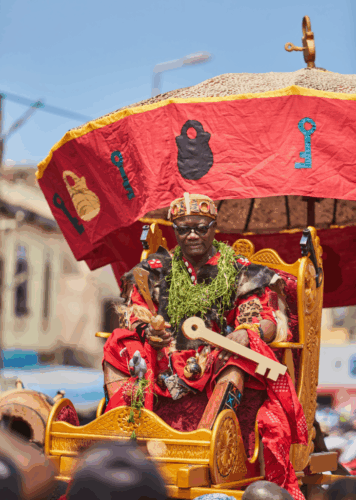
Fetu Afahye 2026
Responsible visitors spend time with local businesses and give communities control over how their traditions appear in public. Use local guides, stay at locally owned accommodation, buy authentic crafts, and pay fairly for services and approved performances. Fetu Afahye is a living tradition, not a photo opportunity. Public celebrations may welcome visitors, while sacred rites and private ceremonies remain closed. Respecting that difference protects the dignity of the festival. For dates, schedules, and history, use the Oguaa Traditional Council, Cape Coast
Fetu Afahye brings Cape Coast’s coastal setting, traditional leadership, music, food, history, and community life together in a powerful public celebration. The best visit begins with learning what the festival means to Oguaa people.
Check the official schedule, book early with Landtours, prepare for heat and crowds, follow ceremonial boundaries, and leave time for Cape Coast’s heritage sites and local businesses. Watch with curiosity, ask permission, and let residents guide your experience.