

Planning Your December Holiday in Ghana Early June
June 8, 2026
A Trip for Every Type of Dad in West Africa: The Ultimate Adventure
June 9, 2026
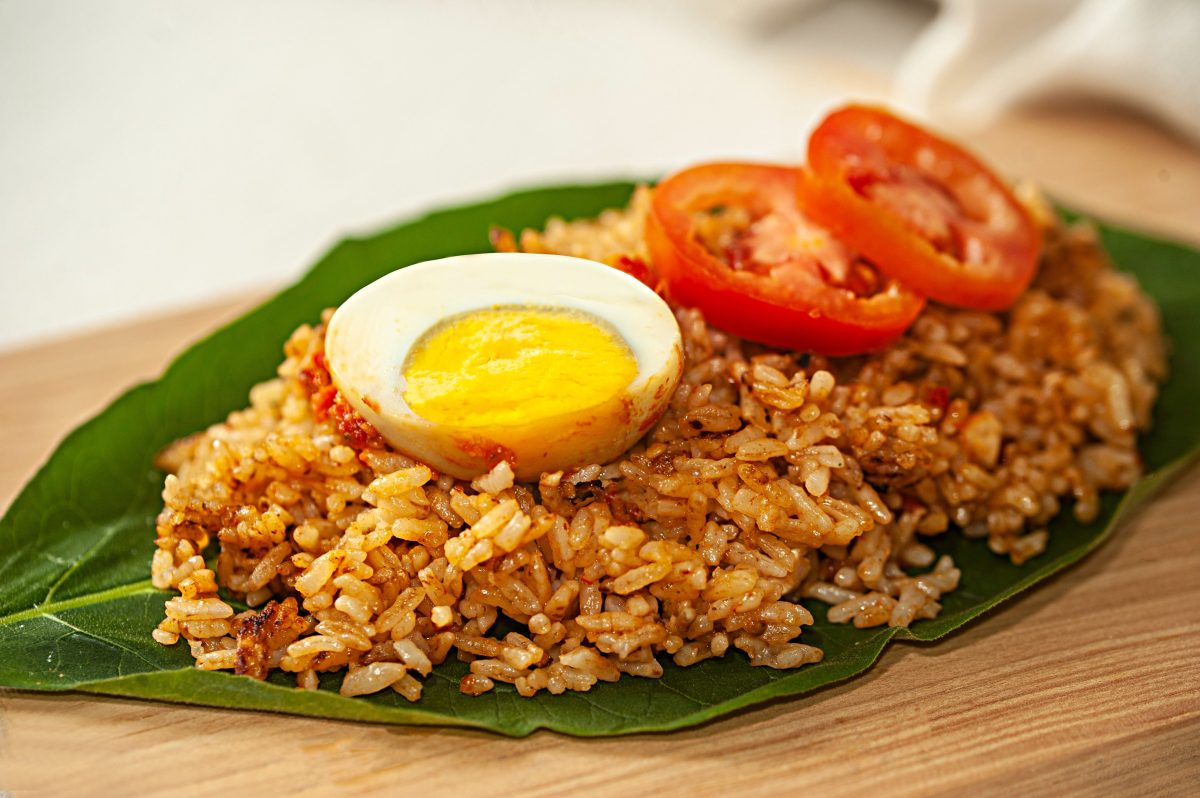
Jollof rice sits at the center of the West African table. It is more than a meal. It is a shared identity and a cause for friendly conflict across borders. Every nation has its own way of cooking this tomato-based rice dish. While people often argue about which version takes the crown, the true beauty lies in the distinct traditions that each country brings to the plate. This Jollof rice tour through Senegal, Nigeria, and Ghana reveals the secrets behind the flavors that have captured hearts worldwide.
Senegal: The Meticulous Genesis
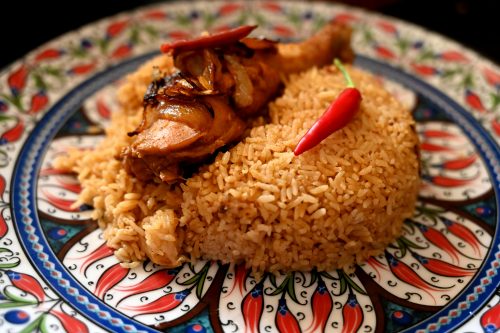
jollof
Many food historians point to Senegal as the birthplace of the dish. In Senegal, this classic is known as Thieboudienne. It is the national dish and a cornerstone of the local food culture.
Thieboudienne originated from the Wolof people in the Saint-Louis region. The name comes from the Wolof words for rice and fish. Unlike the drier, fried versions found elsewhere, Thieboudienne is a complex, one-pot meal. It typically uses broken rice, which allows the sauce to soak into every grain. The dish relies on fresh ingredients from the Atlantic coast, including hearty chunks of white fish, often grouper, and a variety of seasonal vegetables like cassava, carrot, eggplant, and pumpkin.
Senegal’s Signature Flavor Profile
The Senegalese version favors a balanced, savory profile. The richness comes from a strong fish stock that permeates the rice during the cooking process. You will notice a tomato base, but it does not overpower the other flavors. Fresh herbs like parsley and garlic are crushed into a paste, often stuffed inside the fish before cooking, adding an aromatic lift. The vegetables are cooked in the tomato sauce until tender, creating a soft texture that pairs well with the slightly chewy broken rice.
Nigeria: The Spicy Heart of Jollof Supremacy
Nigeria is perhaps the loudest voice in the conversation about this dish. The Nigerian version is bold, spicy, and famous for its distinct smoky aroma.
Nigerian Jollof begins with a specific type of rice: long-grain parboiled rice. This type of rice holds its shape well and avoids turning into mush during the intense cooking process. The base is a thick, rich stew made from blended tomatoes, onions, and scotch bonnet peppers.
Ghana: The Uniquely Aromatic and Diverse Jollof
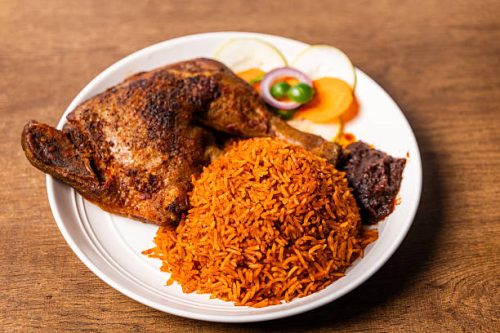
Ghanaian Jollof
Ghanaian Jollof offers a different experience. It often leans toward a more aromatic and nuanced flavor profile, making it a favorite for those who prefer complex scents over intense heat.
Ghanaian cooks often choose basmati or jasmine rice for their Jollof. These grains are naturally fragrant and provide a slightly different texture than parboiled rice. The stew base relies heavily on ginger, garlic, and onions, which are sautéed until sweet and fragrant before the tomatoes and paste go in.
The “Jollof Wars” and Ghanaian Resilience
The “Jollof wars” are an ongoing digital and real-life debate between Ghana and Nigeria. Ghanaians take great pride in their version, often pointing to their unique blend of spices and the refined texture of their rice. This friendly rivalry has helped elevate the profile of West African cuisine on the global stage. You can see this pride in the way Ghanaian chefs present their food, focusing on presentation and the harmonious layering of spices.
Exploring Ghanaian Rice Dishes: Variations on a Theme
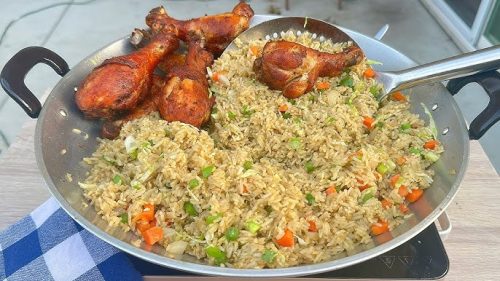
Ghana’s expertise in rice goes beyond standard Jollof. Waakye is a classic Ghanaian dish that combines rice and beans with millet leaves, creating a deep purple color and a distinct, hearty flavor. While it is different from Jollof, it shows the skill Ghanaian cooks have with one-pot rice dishes. You will also find many local variations of Jollof that incorporate different proteins, like grilled chicken or fried plantains, to balance the savory notes of the rice.
Tracing the exact origin of Jollof is difficult. Rice cultivation in West Africa has a long history, and the movement of people and trade routes across the region helped spread cooking techniques. Many historians suggest that the dish evolved from older, rice-based stews. The spread of the Wolof people across the region is often cited as a reason for the dish’s popularity in multiple countries. Rather than pinpointing a single creator, it is more accurate to view Jollof as a shared regional heritage that changed to fit local tastes over time.
Today, Jollof is evolving. Chefs are experimenting with fusion versions, adding international ingredients while keeping the traditional core. Social media has played a huge role in this, allowing people from different backgrounds to share their recipes and argue their points.
Jollof is the centerpiece of social life in West Africa. It is the food you serve when you want to show someone they are welcome. The online banter between Nigerians and Ghanaians about their Jollof is a point of national identity. It is a way to express love for one’s roots. When people defend their nation’s recipe, they are really defending their family traditions and the flavors they grew up with.
The Unifying Power of a Beloved Dish
Jollof rice is a testament to the creativity of West African cooks. From the fish-heavy, broken-rice tradition of Senegal to the smoky, spicy pots of Nigeria and the aromatic, fragrant dishes of Ghana, the variety is vast. There is no objective winner in the Jollof debate because each version serves a specific purpose and suits a specific palate.
You might find that you love the smoky Nigerian style one day and the fragrant Ghanaian style the next. Ultimately, the Jollof Rice Pilgrimage is not about finding the best dish, but about appreciating the rich, diverse flavors that bring people together.
Book a culinary Jollof cooking tour in Ghana with Landtours.