

Top 5 Travel Companies in West Africa
February 17, 2026
Culture and tourism for the New Generation – Gen Z tourism
March 9, 2026
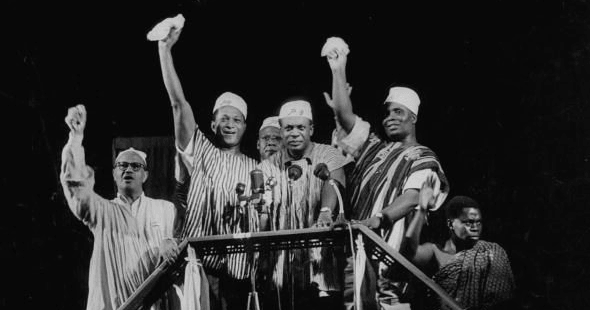
On March 6, 1957, a new flag rose over the Gold Coast. That day marked Ghana’s independence as a free nation. It did more than end British rule in one spot. Ghana’s step forward broke a big chain across Africa. Leaders everywhere saw it as proof that change could happen. This event kicked off a rush for self-rule on the continent. Kwame Nkrumah led the charge with his Convention People’s Party. Their work showed how unity could topple old powers. In short, Ghana lit the spark that spread freedom far and wide.
The Precursors: Laying the Foundation for Freedom
Early fights against colonial rule built up over years. Thinkers and groups pushed for African control long before 1957. These efforts set the stage for Nkrumah’s big win.

Martin Luther King Jr
The Legacy of Pan-Africanism and Early Resistance
Pan-African ideas grew from shared dreams of black unity. Leaders met in places like London and New York to plan. They wrote books and gave speeches that woke people up.
Men like Marcus Garvey from Jamaica inspired Africans. He called for pride in African roots. Back home, groups formed to protest unfair laws.
The Strategy of Positive Action: Mass Mobilization
Nkrumah picked peaceful ways to fight back. He launched “positive action” in 1950. This meant boycotts and strikes without guns.
The British arrested him for it. But that only fired up more support. People saw the party as their voice.
From University Halls to Market Squares: Uniting Diverse Groups
The CPP reached out to all walks of life. Students in Accra debated plans in dorms. Market women in Kumasi sold goods but also spread news.
Farmers in the north heard speeches on unity. Workers in factories walked out together. This mix created a strong wall against the rulers.
Women played a big part too. They organized rallies and fed strikers. Their energy tied the nation into one force.

March 6, 1957: A Day That Shook Empires
Crowds filled the streets of Accra that night. Fireworks lit the sky as the Union Jack came down. Ghana’s green, gold, red, and black star flag went up.
This moment hit hard in London. British leaders had to face the end of their hold. Across Africa, radios buzzed with the news.
It felt like a door had swung open. No longer did freedom seem out of reach. One nation’s win changed minds everywhere.
The Symbolic Power of Achieving Self-Rule First
World papers ran front-page stories. The New York Times called it a turning point. African leaders sent cables of joy.
In villages from Dakar to Nairobi, people cheered. They saw Ghana as the first crack in the wall. It proved talks could beat force.
Psychologists later noted the “Ghana effect.” It lifted hope and sped up other pushes. Suddenly, empires looked weaker.

Kwame Nkrumah
Nkrumah’s Declarative Speech and the “Forward Ever” Mantra
Nkrumah stood tall on a platform. “At long last, the hour has come,” he said. His voice carried over the crowd.
He added, “We are no longer a subject people.” Cheers drowned out the night. “Forward ever, backward never” became a chant.
That phrase stuck. Radios beamed it to Kenya and South Africa. Fighters there used it in their own calls.
Diplomatic Signaling: Establishing International Credibility
Ghana joined the United Nations right away. In 1957, it took its seat with pride. This showed Africa belonged on the world stage.
Nkrumah met U.S. and Soviet leaders. He built ties without picking sides. Ghana’s moves set an example for others.
Soon, new nations looked to Accra for advice. It proved small countries could speak loud. This boosted confidence in the push for more freedom.

Ghana Guinea Mali
The Domino Effect: Ghana’s Direct Influence on Neighbors
Ghana’s win rippled out fast. Nearby lands felt the pull strongest. Leaders there hurried their own paths to self-rule.
Maps changed in just a few years. Over 20 countries broke free by 1960. Ghana’s light guided them all.
Cultural links helped too. Shared languages and trade made ideas flow easy. One victory fed the next.
Inspiring West African Liberation Movements
In Sierra Leone, talks heated up after 1957. Leaders there visited Accra for tips. They aimed to match Ghana’s speed.
Liberia, already free, offered help. But Ghana’s fresh model inspired the most. It showed how to build a new state.
The wave hit French colonies too. Senegal and Ivory Coast watched close. Ghana proved English or French rule could end.
Nigeria, Togo, and the Race to Self-Determination
Togo gained freedom in 1960, just three years later. Its president thanked Nkrumah in speeches. The close border let ideas cross quick.
Nigeria followed in October 1960. Giant crowds in Lagos waved Ghana’s flag. Nnamdi Azikiwe cited Nkrumah as a guide.
Timelines shrank. What took decades elsewhere happened in months. Ghana’s proof cut the wait short.

Kwame Nkrumah and Haile Selasie
The Accra Conference (1958): Formalizing Continental Solidarity
Just a year after independence, Accra hosted a big meet. Over 60 groups came from across Africa. They talked freedom for all.
Nkrumah opened with a call to arms. “Africa must unite,” he urged. The hall echoed with agreement.
Resolutions flew out. They backed fights in Algeria and Kenya. This meet turned talk into plans.
Creating the Blueprint for Unified Action
Papers from the conference spread wide. They listed steps for boycotts and talks. Kenya’s Mau Mau fighters read them in camps.
Algeria’s front got funds from the talks. Leaders in Mozambique planned next steps. Unity became the key word.
One resolution pushed for no more colonies. It named Portugal’s holds as targets. This blueprint shaped the 1960s rush.

ghana-independence
Foreign Policy as a Tool for African Liberation
Ghana did not stop at its borders. Nkrumah used talks and aid to help others. He built a name as Africa’s voice.
In cold war days, he stayed neutral. This let Ghana aid all sides. It made the nation a safe hub.
Trainees from south came north. They learned skills in Accra schools. Back home, they led their fights.
The Embodiment of Positive Neutrality and Non-Alignment
Nkrumah joined the Bandung meet in 1955. There, he pushed no side in the big split. Ghana led the non-aligned group.
This stance drew friends. India and Egypt backed Ghana’s calls. Africa gained a strong ally.
Neutrality meant real help. Ghana sent doctors to new lands. It shared plans for growth too.
Ghana’s Financial and Training Support for Liberation Fighters
Money flowed from Accra to Angola’s rebels. In 1961, Nkrumah gave cash for arms. Fighters trained in Ghana’s woods.
Mozambique groups set up bases there. Over 200 men learned tactics each year. Diplomatic notes shielded them.
South Africa’s ANC hid leaders in Ghana. Nelson Mandela visited in 1962. This support kept hopes alive.

African-Heads-Of-State-At-OAU-May-1963
Establishing the Organization of African Unity (OAU Precursors)
Nkrumah dreamed of one Africa. He pushed for a union like the U.S. Talks started in 1958.
Monrovia groups formed in 1961. But Ghana led the charge for more. By 1963, the OAU born in Addis Ababa.
Ghana hosted prep meets. Nkrumah’s books outlined the plan. Unity fought old divides.
The Enduring Legacy of the First Light
Ghana’s independence in 1957 changed Africa forever. It showed mass will could win talks over force. The Accra Conference turned one win into a plan for all. Think about how one bold step shapes maps for years. What if your actions lit a wave too?