

Exploring Jazz, Art, and Heritage in West Africa
February 12, 2026
Top 5 Travel Companies in West Africa
February 17, 2026
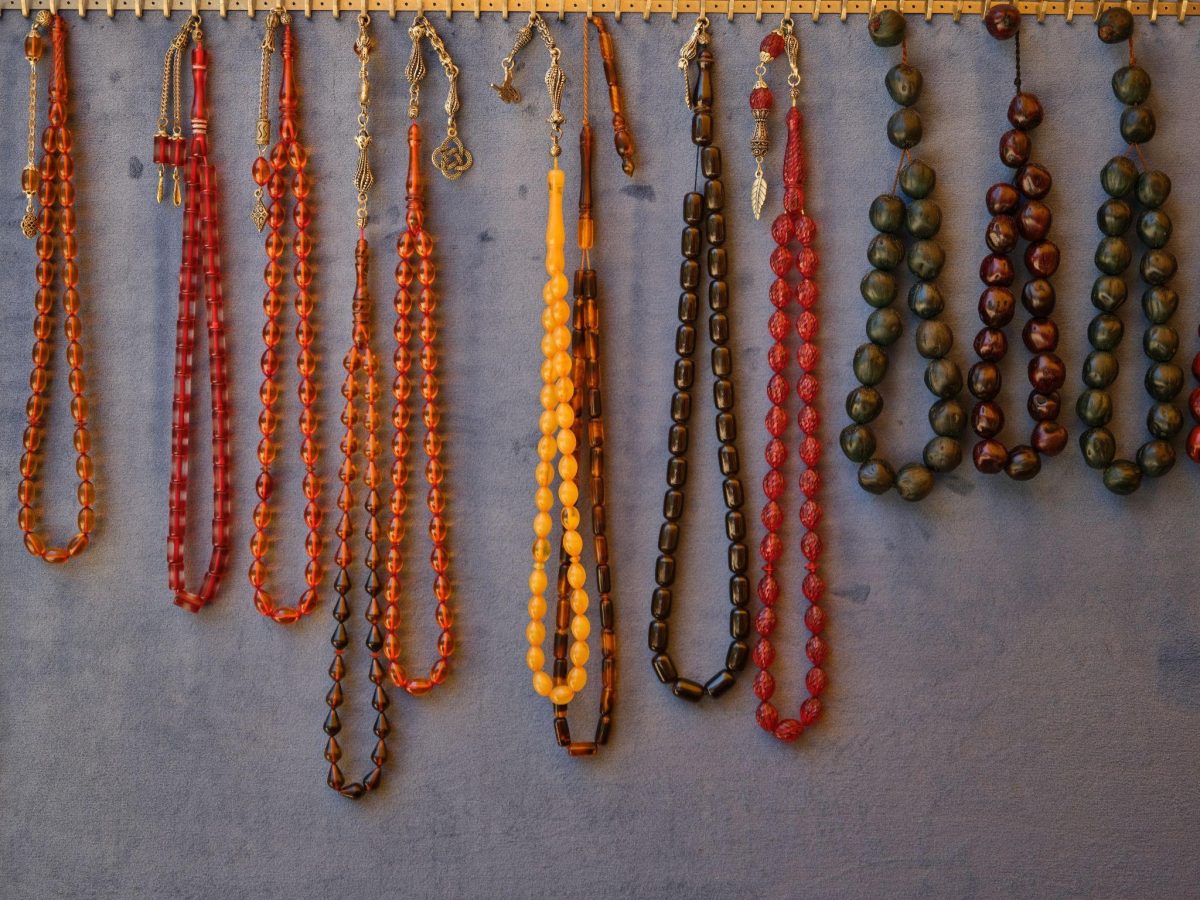
Jewelry in West Africa is never just decoration; it is a visual language. While a diamond might represent status in the West, a bead in West Africa might represent a prayer, a lineage, or a revolutionary idea. Every strand, metal casting, and etched symbol carries a weight that transcends fashion. To wear African jewelry is to carry a living history on your body.
For the modern traveler, understanding these adornments is the key to unlocking a culture that cannot be fully captured in a camera lens. It’s about the “why” behind the “pretty.”
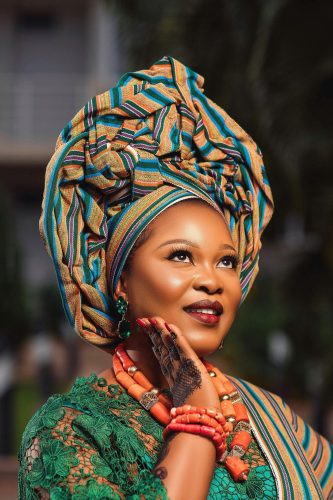
jewelry
More Than Ornament
In many West African cultures, jewelry serves as the “metadata” of a person’s life. It marks significant transitions: birth, puberty, marriage, and leadership.
Protection & Fertility: Specific beads are often gifted to newborns or brides to invoke spiritual protection or the blessing of children.
The Cowrie Shell: Once used as a primary currency, the cowrie remains a powerful symbol of prosperity and a spiritual connection to the ocean and the ancestors.
Gold: Particularly in the Ashanti Empire, gold is not just wealth; it represents the sun, the soul, and the eternal continuity of the people.
Ghana’s Gold and the Alchemy of Glass
Ghana, formerly known as the Gold Coast, has a relationship with precious metals that dates back centuries. Long before colonial contact, Ashanti goldsmiths perfected the “lost-wax” casting method to create intricate Adinkra symbols.
Each symbol communicates a specific value. For example, the Sankofa (a bird reaching back for an egg) teaches us that it is not taboo to go back and fetch what was forgotten. Wearing a Sankofa pendant is a public commitment to learning from the past to build the future.
Equally iconic are the Krobo beads. These are not factory-made; they are a masterclass in recycling. Artisans grind scrap glass into a fine powder, layer it in clay molds, and fire it in wood-burning kilns. The result is a vibrant, textured bead that symbolizes the transformation of the broken into the beautiful. Visiting a Krobo bead-making community allows you to witness this alchemy firsthand.
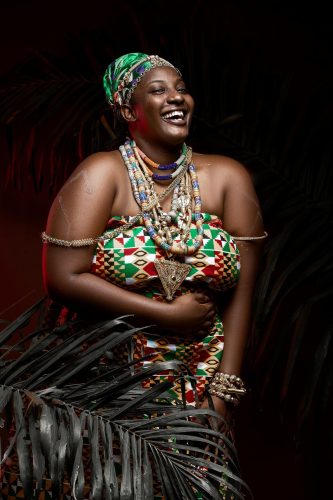
adinkra
Identity Across Borders
The narrative continues across the borders of Benin, Togo, and Senegal. In Senegal, the delicate gold filigree work reflects a history of cosmopolitan trade and refined craftsmanship. In Benin, bronze and brass pieces often echo the royal traditions of the Kingdom of Dahomey.
For the African diaspora, these pieces often resonate with a profound, quiet power. For many, wearing a piece of West African jewelry is an act of reclamation; a way to mend a connection that was historically interrupted.
Shopping with Intention
Buying jewelry in West Africa is an exercise in human connection. It isn’t about browsing a shelf; it’s about the conversation. When you purchase directly from an artisan, you aren’t just buying a necklace; you’re being entrusted with a story. You learn the rhythm of the hammer or the specific meaning of a color pattern. This knowledge changes the weight of the piece when you put it on.
Carrying the Story Home
Long after your flight lands, your jewelry remains a tactile reminder of your journey. A necklace might bring back the scent of a bustling market in Accra; a bracelet might recall a quiet afternoon in an artisan’s workshop in Lomé.
Landtours specializes in these moments. We incorporate immersive artisan experiences into our West Africa journeys, connecting you with the makers and traditions that define the region.
Ready to experience West Africa through its art and adornment?
Explore our 2026 tours and carry the story with you.