

7 Most Popular West African Dishes
December 7, 2023
Senegal’s Artistry; a Symbol of Unity
January 15, 2024

Music, song, and dance have been integral to the African identity for centuries, serving as a medium through which African history, traditions, and values are passed down from generation to generation. West Africa, the birthplace of internationally celebrated music genres like jazz, gospel, and blues, also played a significant role in the development of Calypso music, native to modern-day Nigeria and transported to the Caribbean through the forced migration of Africans during the transatlantic slave trade.
In the West African sub-continent, a group of individuals, known as “griots,” serves as the guardians of oral history, passing down the legacies of communities and royalty through song and music. Highly revered in the Sahel region, stretching from Mali through Senegal to Burkina Faso and beyond, these musical wardens play a crucial role in preserving West African culture.
Music holds a special significance in West African cultures, not only as a means to share histories and traditions but also to evoke the spirit of unity and community, referred to as “djeli” in the Mandé language, meaning the blood of the community.
Contrary to misconceptions, West Africa’s reliance on griots for cultural guardianship is not rooted in the absence of writing systems. Pre-colonial West Africa had writing systems like Ajami, Nsibidi, Bassa Vai, and Adinkra, predating the slave trade and colonialism.
Griots, also known as nomad musicians, were often based in the courts of nobles, advising royalty on issues others would not dare speak on. Their influence was widespread, with their presence a vital part of core communal events, weaving together the fabric of the community. Griots were experts on political issues, social commentators, entertainers, and living libraries. Historically, Sahel tribes could trace their genealogy by consulting a griot.
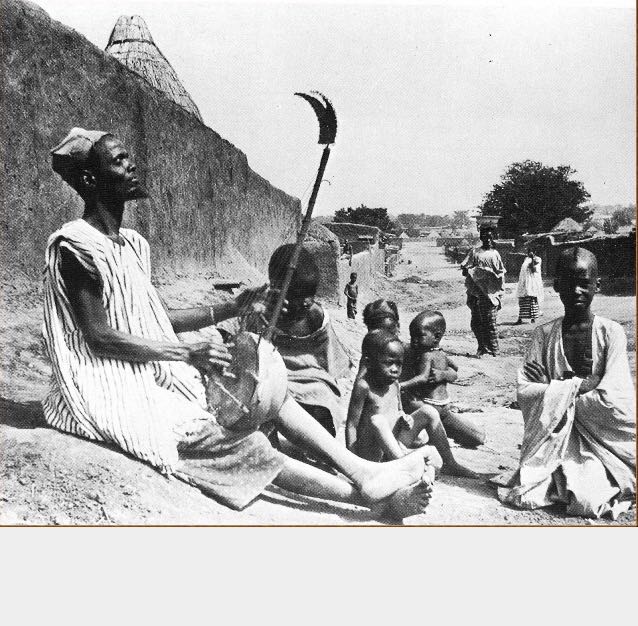
The intricate art of griot storytelling through song doesn’t happen by chance but through extensive training and mastery of the ancient craft. Griots, like the royals they serve, are born into their profession, with families like the Diabete and Kouyaté clans considered royalty in the lineage of West African minstrels. Though little is known about griot origins, legend has it that the first griot was Gassire, a native of the Dausi ethnic group, around the 4th century, commissioned to serve in the Warrior Prince’s court after the visit of Ibn Battuta.
The rhythm of the griot’s tapestry is held in harmony with Sahel instruments like the kora, tambour, and balafon—a xylophone-shaped instrument. The kora, a West African stringed musical instrument made of animal hide and calabash carrying 21 strings, serves as the musical companion of choice for the noble storyteller.
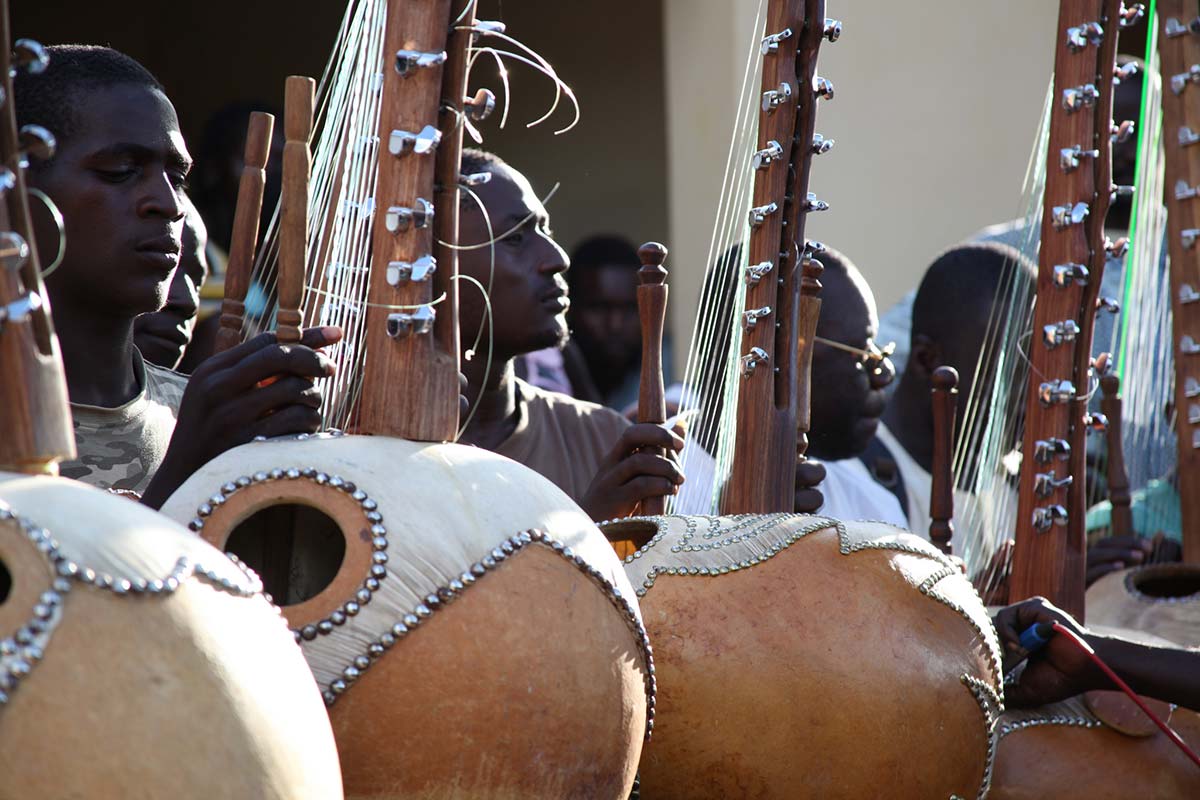
Griot storytelling has taken a contemporary turn, blending modern music types with age-old traditional storytelling. Rap music draws inspiration from griots, using narration, political and social commentary. Hybrid griots like Noumoucounda Cissoko, born into a family of music and storytelling, are redefining the ancient culture of storytelling by merging it with rap and hip-hop. Traditionally a male role, women like Dionton Tounkara, Kandia Kouyaté, Ami Koita, and Sona Jobarteh – griottes (female griots) – are redefining gender roles and taking center stage in griot culture
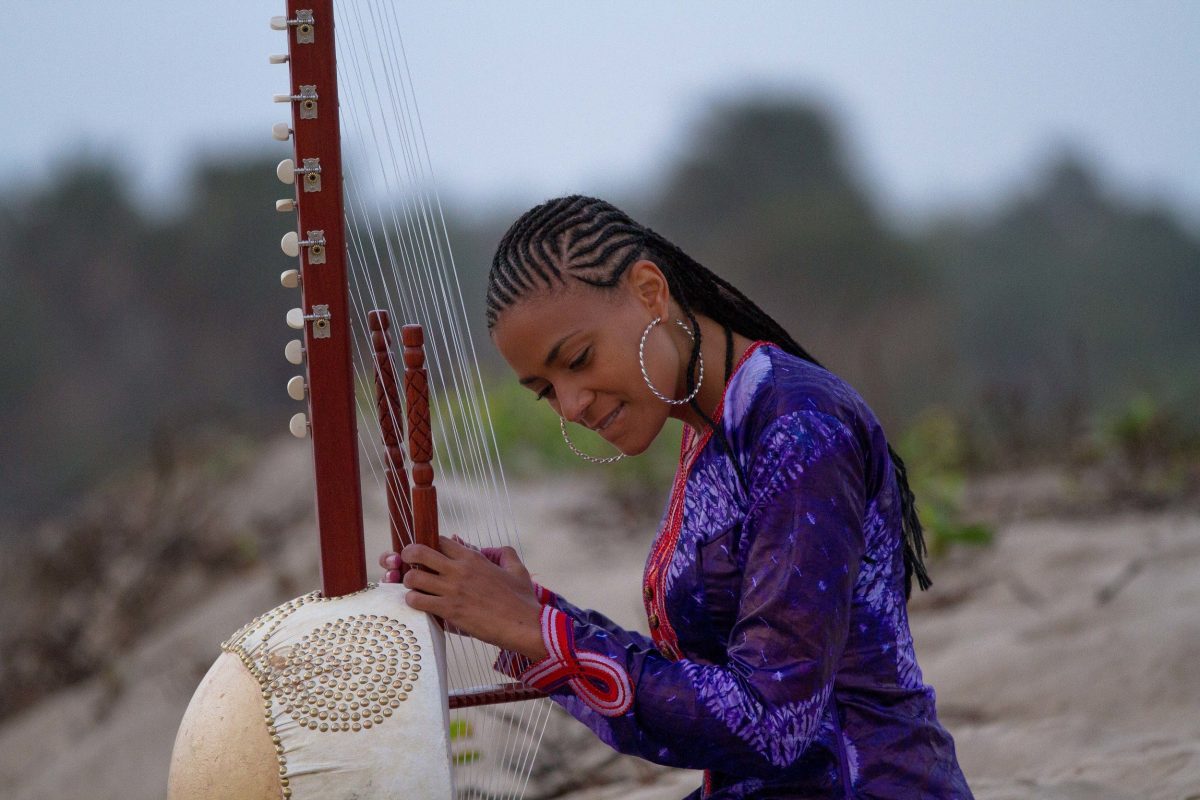
Griots, through the art of passing down histories via musical storytelling, have preserved a significant aspect of West African tradition and culture. They have influenced contemporary storytelling, making West African histories not only confined to the pages of history books but also echoing through the artistry of griots. In celebrating griot traditions, we celebrate a rich cultural heritage and the enduring resilience that defines West Africa.