

5 Activities to Do in West Africa During World Tourism Day 2026
September 14, 2026
International Day of Peace 2026 Ghana: Plan a Meaningful tour
September 17, 2026
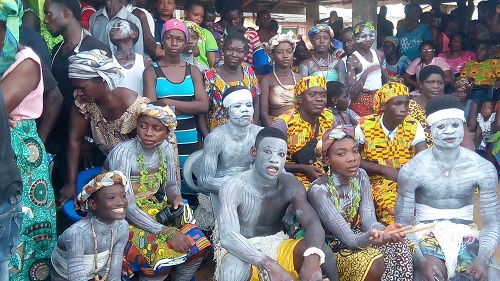
The Kundum Festival in Ghana is a major harvest and cultural celebration linked mainly to the Ahanta and Nzema peoples of the Western Region. It brings together spiritual observance, thanksgiving, traditional leadership, music, dance, and public joy. Kundum is not held at one national venue or on one fixed date. Customs differ between towns and traditional areas. This guide explains the festival’s origins, meaning, rituals, timing, locations, etiquette, and travel needs.
The harvest celebration that connects history, faith, and community
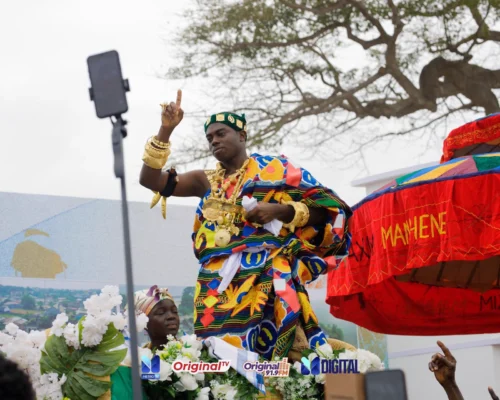
Kundum festival in Ghana
Kundum is closely tied to harvest time and gratitude for food, health, and community well-being. Many celebrations include prayers, remembrance of ancestors, and rites that support social renewal. The festival also gives families a chance to return home, settle disputes, and honor community ties. Different towns may explain the festival in their own way. Local elders and traditional authorities remain the best source for the meaning of particular rites.
Where Kundum is celebrated in Ghana
The main cultural settings are the Ahanta and Nzema traditional areas in Ghana’s Western Region. Celebrations take place in separate towns and communities, each with its own chief, council, calendar, and program. A festival held in one town may differ greatly from another. Confirm the host community before booking transport or accommodation.
Trace the origins and cultural meaning behind Kundum
One well-known story links Kundum to a person who saw a tree flowering or producing fruit at an unusual time. After observing the tree, the person returned with a distinctive dance, which later became part of the festival tradition. Versions of this account differ among Ahanta and Nzema communities. These stories belong mainly to oral history. Public cultural material from the Ghana Tourism Authority and Ghana Museums and Monuments Board, along with university research, can provide wider background, but local accounts remain important. Kundum may express thanksgiving for agricultural abundance, protection from harm, respect for ancestors, and moral renewal. It also helps communities maintain language, dress, music, family links, and a shared sense of identity. A dance or ritual can carry a meaning that outsiders may not see. Ask local authorities before explaining or recording sacred activities.
Chiefs, queen mothers, elders, family heads, priests, and community organizers guide the festival. Palace ceremonies, customary greetings, libation, and public speeches often follow local rules.Traditional councils decide which rites are private, which events are public, and how visitors should behave. Their authority should guide every visit.
Experience the ceremonies, music, and rituals that define Kundum
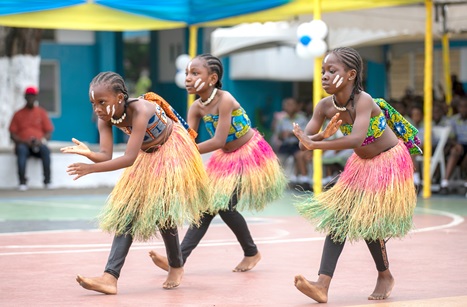
Kundum festival in Ghana
Many Kundum programs begin with spiritual preparation, prayers, libation, purification, and remembrance of ancestors. These rites may take place at a palace, shrine, family site, or another protected location. Some activities are not open to visitors. A sacred ceremony should never be treated as a stage show or entered without permission. The Kundum dance uses distinctive body movements, strong drum patterns, singing, and group response. Age groups, families, cultural troupes, and other community members may perform during public events. Processions can move through streets toward a palace or gathering ground. The order and style of performances change between traditional areas.
What to expect as a visitor
Events may start late or change during the day. Crowds can be large, while seating, toilets, shade, and food choices may be limited outside major towns. Expect heat, rain, dust, long periods of standing, walking, and loud drumming.
Carry the basics for a full day:
- Water, sun protection, and rain cover
- Cash for food, transport, and small purchases
- A charged phone and power bank
- Essential medicine and personal supplies
- Comfortable shoes and modest clothing
Transport, accommodation, health, and safety
Book a room early because returning families and visitors can fill local accommodation. Plan how you will travel back after evening events, since public transport may become scarce. Confirm road conditions and use a trusted local guide from Landtours when possible. Check current Ghana entry, health, and travel requirements through official sources before departure.
How the festival passes traditions to younger generations
Kundum teaches younger people through drumming, dance, language, oral history, dress, food, and public service. Families and elders often lead this teaching, while schools and cultural groups may support it. Young performers learn more than steps and songs. They also learn respect for chiefs, duties to relatives, and the history of their community.
Kundum combines harvest thanksgiving, spiritual observance, traditional authority, and Ahanta and Nzema cultural heritage. Its ceremonies differ by community, and its dates change with local calendars and annual decisions.Before traveling, confirm the latest program with the relevant traditional council, local tourism office, Ghana Tourism Authority, or trusted organizer. Respect local guidance, and approach Kundum as a living tradition rather than a performance created for visitors. Book your next Kundum festival with Landtours.