

International Day of Peace 2026 Ghana: Plan a Meaningful tour
September 17, 2026
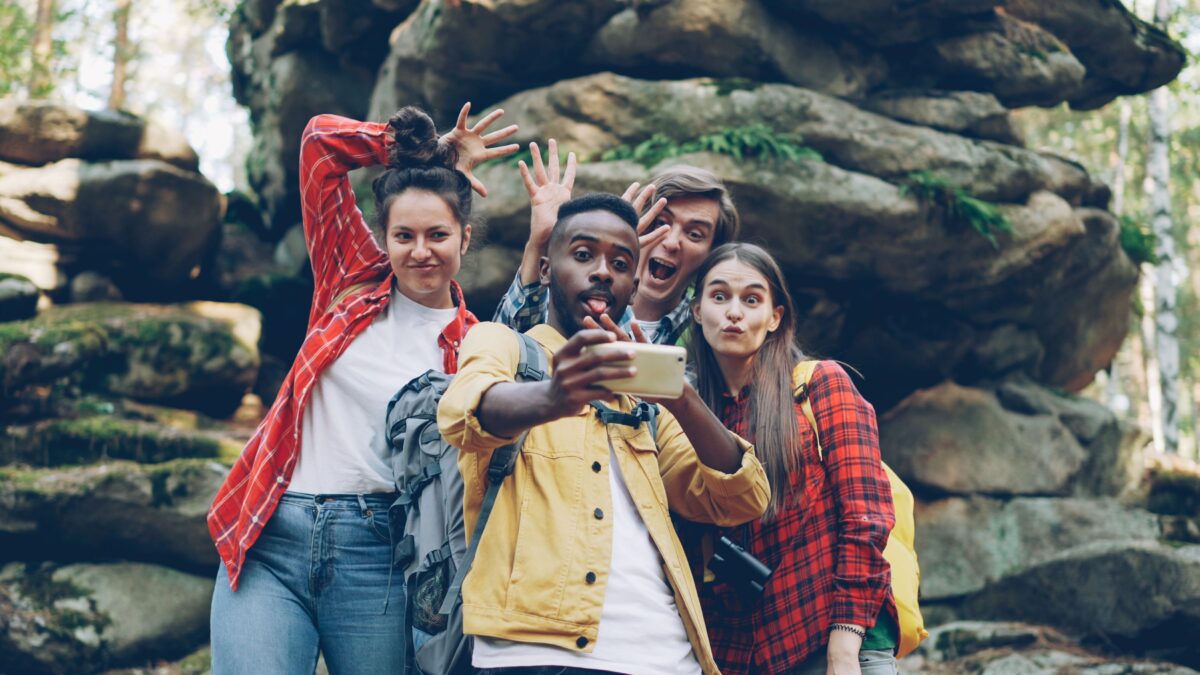
Educational tourism: In Ghana, Senegal and Benin, families can study history, ecology, art and culture through real places and local stories.
These West African countries offer varied educational tourism experiences. Families can visit coastal heritage sites, former kingdoms, wildlife reserves, museums, wetlands and living communities. Each destination brings a different lesson about identity, memory and human creativity. Good planning makes the experience stronger. Choose age-appropriate attractions, allow time for rest, use local guides and prepare children before visits to difficult historical sites. This guide highlights family-friendly places in Ghana, educational attractions in Senegal and cultural tourism in Benin.
Discover Ghana Through History, Heritage and Wildlife
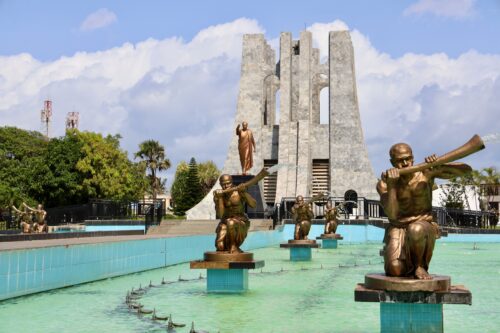
Kwame Nkrumah Memorial Park
Ghana works well for family educational travel in West Africa because its attractions cover history, traditional culture, rainforest science and wildlife.
Cape Coast Castle and Elmina Castle are major sites linked to the transatlantic slave trade. Both belong to Ghana’s UNESCO-listed forts and castles heritage area. Guided visits can help older children understand colonial rule, forced migration and human rights. These tours may feel intense, especially for younger visitors. Give children a simple historical introduction before arrival, and allow quiet time afterward. Check opening hours, tour schedules and age suitability before visiting.
The Kwame Nkrumah Memorial Park and Mausoleum in Accra introduces families to Ghana’s independence movement and Pan-African history. In Kumasi, Manhyia Palace Museum offers lessons about Ashanti leadership, royal traditions, objects and ceremonies. After each visit, ask children to choose one person, object or idea that they remember. They can write a short journal entry or give a five-minute family presentation at dinner.
Experience Senegal Through Memory, Art and Nature
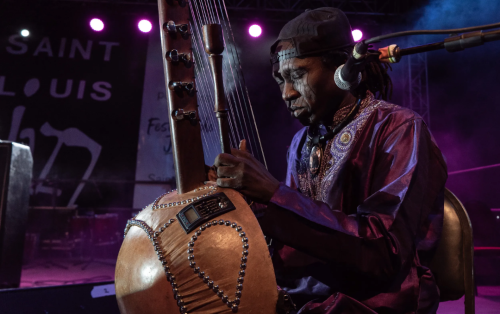
Senegal combines difficult historical memory with art, public culture, wildlife and wetland conservation. Families can balance serious visits with outdoor activities and creative tasks. Gorée Island and the House of Slaves help visitors study the transatlantic slave trade and its global effects. A qualified guide can explain the site clearly while adapting the discussion to a child’s age.
Younger children may find parts of the visit distressing. Talk about memory, resilience and why museums preserve painful stories. The visit should be treated as a time for thought, not ordinary sightseeing.
The IFAN Museum of African Arts in Dakar introduces children to masks, sculpture, textiles and other African art forms. The African Renaissance Monument supports conversations about Senegalese identity, Pan-African ideas and public art. Djoudj National Bird Sanctuary offers lessons about bird migration, wetland habitats and conservation. Bandia Wildlife Reserve can add a family-friendly wildlife outing, but access, transport, guides and animal-viewing conditions should be checked in advance. Families can review Senegal’s parks and monuments while comparing possible stops..
Explore Benin’s Kingdoms, Heritage and Community Life
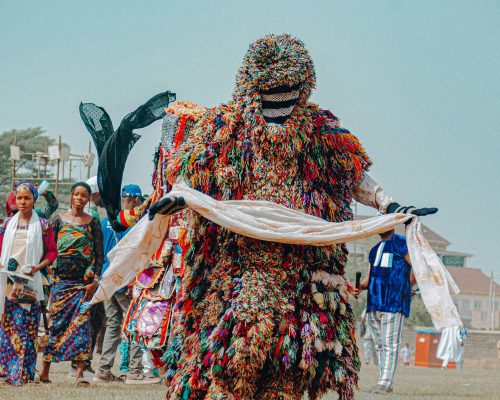
vodun festivals
Benin gives families a chance to study precolonial states, Atlantic history, Vodun traditions, architecture and life on the water. Local guidance helps visitors understand these subjects with respect. The Royal Palaces of Abomey are linked to the former Kingdom of Dahomey and are a UNESCO World Heritage site. Palace buildings, royal symbols and museum objects help children learn about governance, military history and craftsmanship in precolonial West Africa.
Read about Dahomey before arrival, then ask local guides how the site’s history is told from Beninese viewpoints. Children can compare royal symbols with objects seen in Ghana or Senegal. The Ouidah Museum of History, the Route of Slaves and the Door of No Return connect Benin to the history of forced migration. These sites can open discussions about displacement, cultural survival and links between Africa and the African diaspora..
Ganvié, a stilt village on Lake Nokoué, shows how people have adapted homes, transport and work to a water-based setting. Families can learn about fishing, local architecture and daily community life through boat trips and local guides.
Build a Family Educational Tourism Itinerary
A strong itinerary gives children time to learn, rest and ask questions. Ghana, Senegal and Benin are not one compact travel circuit; roads, borders and flight links can add hours or days. Younger children often enjoy wildlife parks, outdoor landmarks and hands-on museums. Older children and teenagers may be ready for castles, memorials and detailed history. Cape Coast, Elmina, Gorée and Ouidah suit history interests. Accra and Dakar support art and identity studies, while Kakum, Mole, Djoudj and Bandia suit ecology. Kumasi and Abomey focus on kingdoms and traditional history.
Plan one major educational attraction per day, followed by downtime. Check visa rules, passport validity, vaccination guidance, border requirements, weather and transport through official sources. Also confirm accommodation standards, park access and local travel times. A trip across all three countries can feel rushed. Focusing on one country, or two destinations with good transport links, often gives families more time for learning. Add buffer days for delays and tired children. Before departure, give each child one research question, such as, “How did people adapt to their environment?” or “How is this event remembered today?”
Travel Responsibly and Safely With Children
Responsible educational tourism protects children, communities, wildlife and historic places. It also makes visits more respectful and rewarding.
Speak with a qualified travel-health professional well before departure about vaccines, malaria prevention where relevant, food and water precautions, insect protection and personal medicines. Pack breathable clothing, sun protection, comfortable walking shoes, hand sanitizer, reusable water bottles where suitable and basic first-aid supplies. Schedule long outdoor activities during cooler hours and check weather conditions before leaving.
Wear modest clothing at religious and traditional sites. Ask before taking photographs, follow local rules and avoid loud or playful behavior at memorials and former sites of suffering. Teach children a few respectful greetings. Encourage them to listen, wait their turn and ask thoughtful questions. Local guides, locally made crafts and community businesses can help keep tourism income in the area.
Plan a More Meaningful Educational Tourism Experience
Reliable information helps prevent avoidable problems. Check tourism boards, UNESCO pages, park authorities, museum websites, embassy guidance and trusted travel-health sources for current prices, opening times, transport, photography rules and access limits. Save offline copies of bookings, maps, emergency contacts and key documents.
Choose destinations by theme. Ghana suits independence history, coastal forts, Ashanti heritage, rainforest study and wildlife. Senegal fits Gorée Island, African art, Pan-African identity, wetlands and birdlife. Benin focuses on Dahomey, royal palaces, Ouidah, Vodun traditions, lake communities and cultural memory.
Educational tourism in Ghana, Senegal and Benin gives families a practical way to study history, art, nature and community life together. Choose age-appropriate sites, prepare children for difficult stories and balance museums with wildlife, outdoor time and creative activities. The best family memories may come from a question asked beside a castle, a bird spotted in a wetland or a new perspective shared after meeting a guide. Let those questions shape the trip.
Book an educational tour with Landtours.