

10 Best Things to do in Ghana
March 14, 2024
Must Visit Beaches in West Africa
April 1, 2024

Contemporary art in Ghana has evolved over time due to urbanization, globalization, and the burning desire by artists to express themselves by evolving traditional artistic forms. The number of art galleries in Accra and other cities across the country has multiplied over time, contributing to the nation enjoying its moment in the international spotlight.
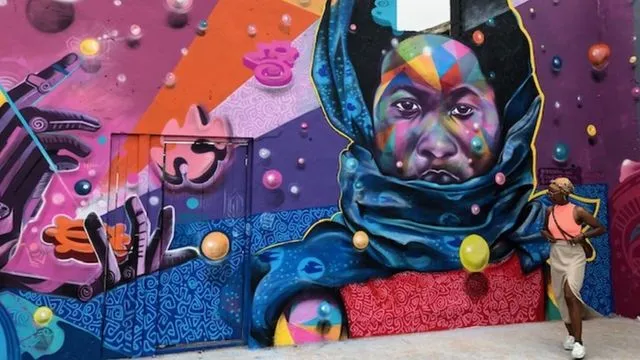
Beautiful murals can be spotted across Accra, adorning unusual canvases like bridges and abandoned walls. These murals showcase the vibrant colors of the Ghanaian people and celebrate individuals who have made significant contributions to Ghana’s growth and its visionary stance in Africa’s development.
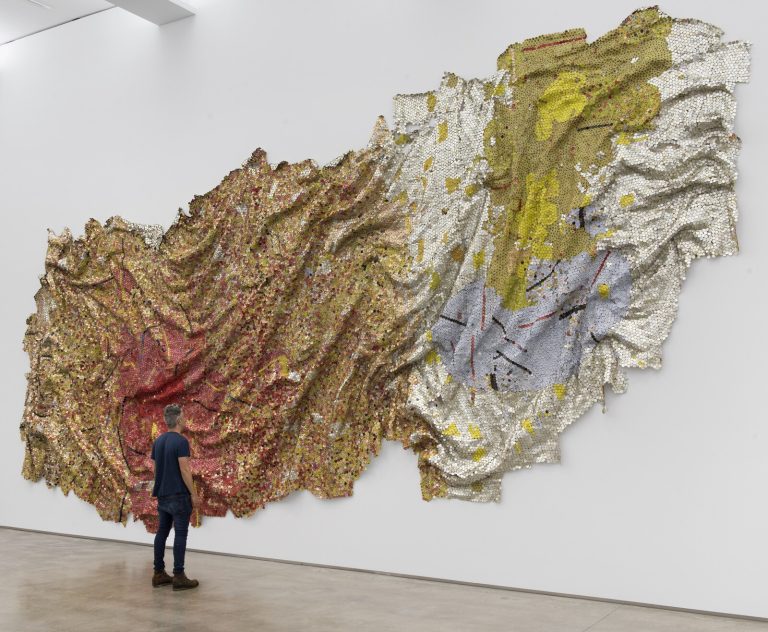
Internationally acclaimed Ghanaian sculptor El Anatsui, among other contemporary artists, ingeniously employs materials often deemed as waste to craft symbolic art pieces that echo themes of transformation and consumption in his work. Mr. Anatsui’s art pieces have been featured in galleries all over the world as well as in his home country, driving connoisseurs of his work to visit Ghana and personally experience his artwork.
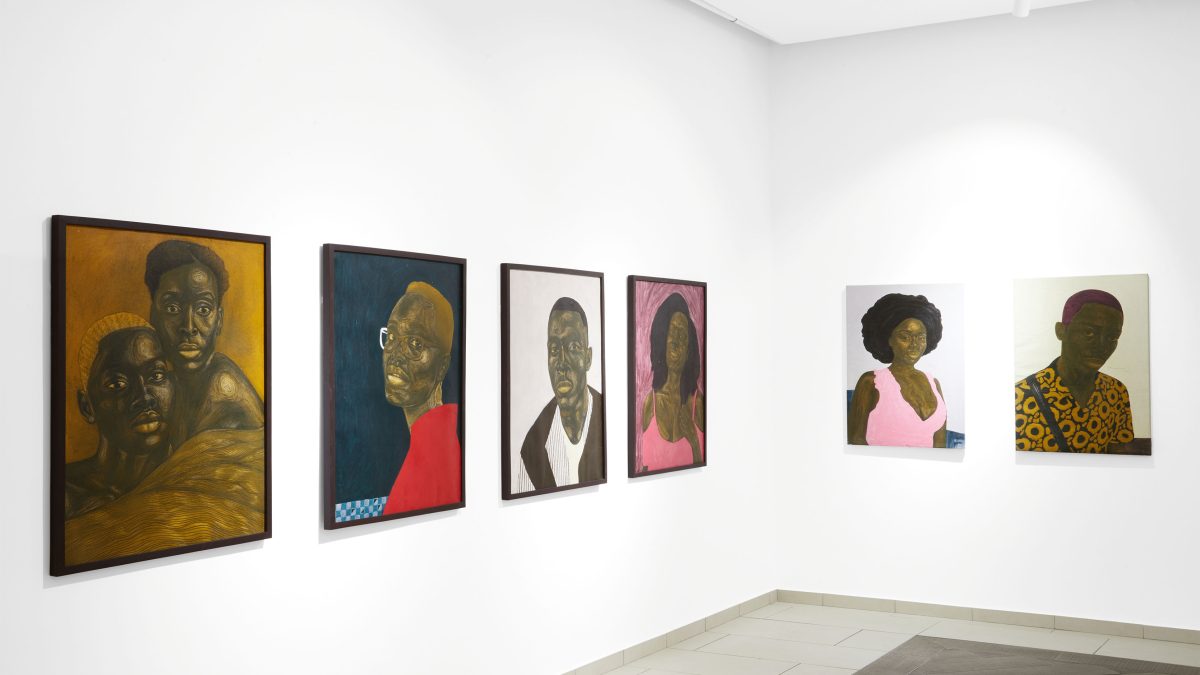
Ada Contemporary Art Gallery, Nubuke Gallery, dot.ateliers, Noldor Residency, Gallery 1957, and numerous others showcase local talents and provide opportunities for artistic residencies, thereby enhancing the visibility of artists’ work. This is a welcome change as the number of contemporary art galleries has increased over the years to cater to a burgeoning segment of travelers who also seek to experience both traditional and contemporary art expressions.
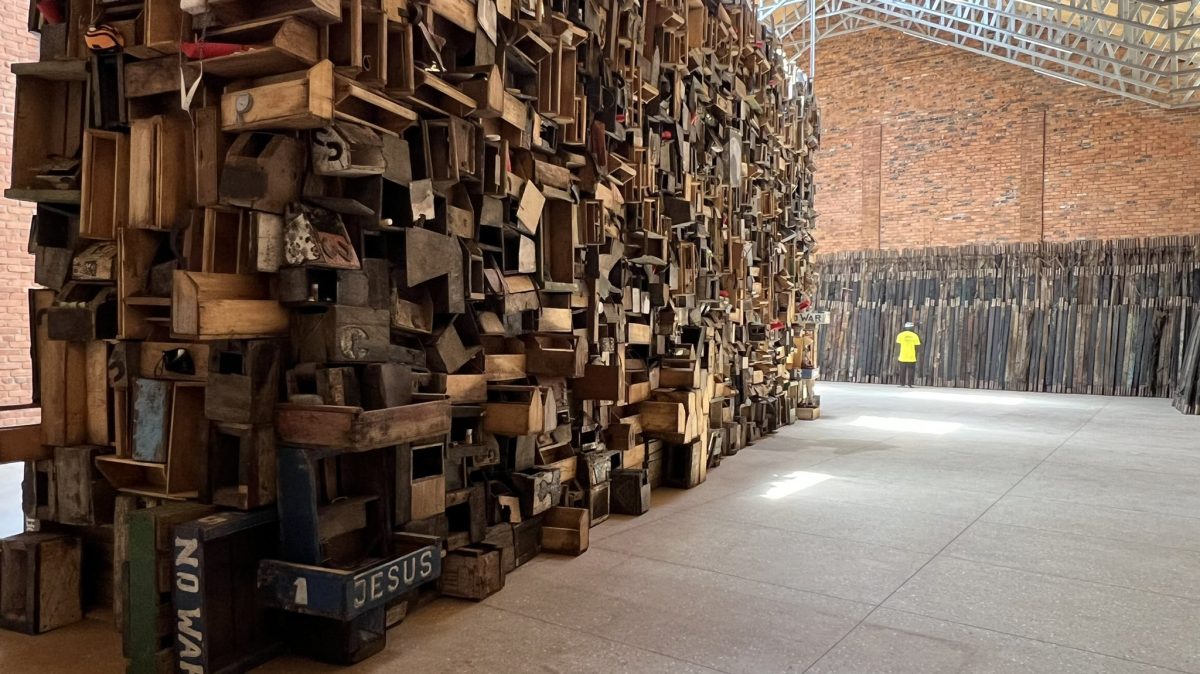
Contemporary art admiration is not restricted to only Accra. Traveling further north, art galleries like Red Clay Studio itself pay homage to the vibrant colors of the land they occupy. Founded by the notable Ibrahim Mahama, Red Clay Studio offers an immersive and extraordinary avenue to experience contemporary art outside the bustling urban city of Accra. Not only does the studio exhibit beautiful art, but its patrons also invite local communities, especially the youth, along on its journey through storytelling. Ibrahim Mahama’s work has taken him across the world, helping to change the stereotypical narrative about West Africa and also bringing visitors of diverse nationalities to Tamale to immerse themselves in the artwork.
Down south in Ada, Kwame Akoto-Bamfo, sculptor, and founder of Nyinkyim Museum, uses life-sized sculptures to replicate the suffering and injustices of the transatlantic slave trade. His installations bring home the unavoidable emotions and offer a glimpse into the sufferings endured by the captured who were consequently shipped off, never to return home. The museum has become a must-visit destination for African diasporans seeking to reconcile with the wounds of centuries past. With this in mind, the museum also offers African diasporans the opportunity to use their space for personal and spiritual retrospection. In addition to this, the museum also organizes art festivals that reimagine traditional Ghanaian festivals to foster artistic expressions from artists and creatives both at home and abroad.
On a larger scale, festivals such as the Chale Wote art festivals invite creatives and contemporary artists from around the globe to converge on the streets of Accra and celebrate the unity art offers. Usually set in Jamestown, the Chale Wote festival selects a yearly theme which typically hinges on Afrofuturism and invites artists to express, through any chosen art form, their interpretation of the selected theme. Chale Wote’s theme for 2024, “Now An End To The Empire Of Horrors,” sets the tone for another vibrant and colorful festival imbued by themes of colonialism, capitalism, and mysticism

Through the celebration of Ghanaian culture, history, and creativity, contemporary art serves as a bridge, connecting people from diverse backgrounds and fostering a deeper understanding of the country’s identity. As Ghana continues to position itself as a cultural hub in West Africa, the influence of contemporary art on its tourism sector is poised to expand further, offering endless opportunities for exploration and discovery. Thus, it is clear that contemporary art plays a vital role in shaping Ghana’s tourism landscape, complementing existing offerings and paving the way for continued growth and innovation in the years to come.